
Last updated November 3, 2026
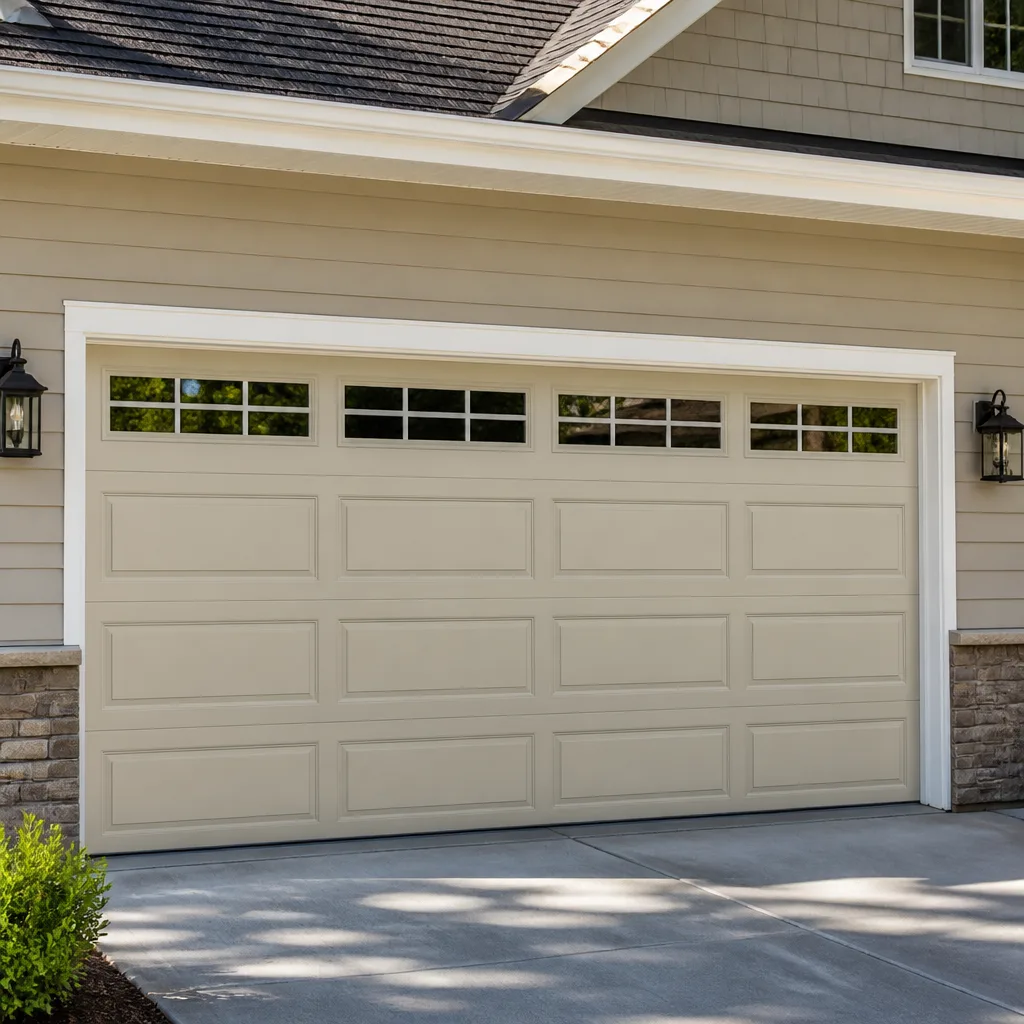 Raised-panel steel
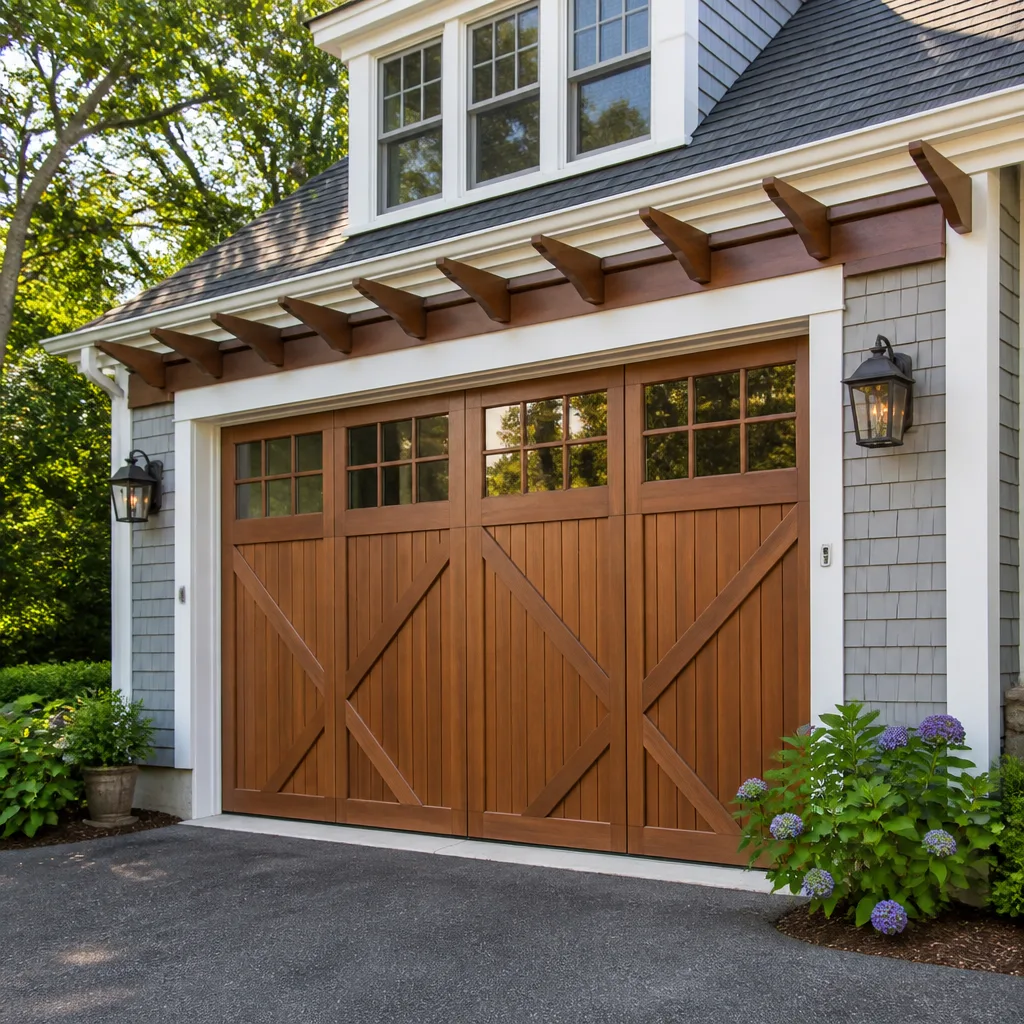 Carriage house
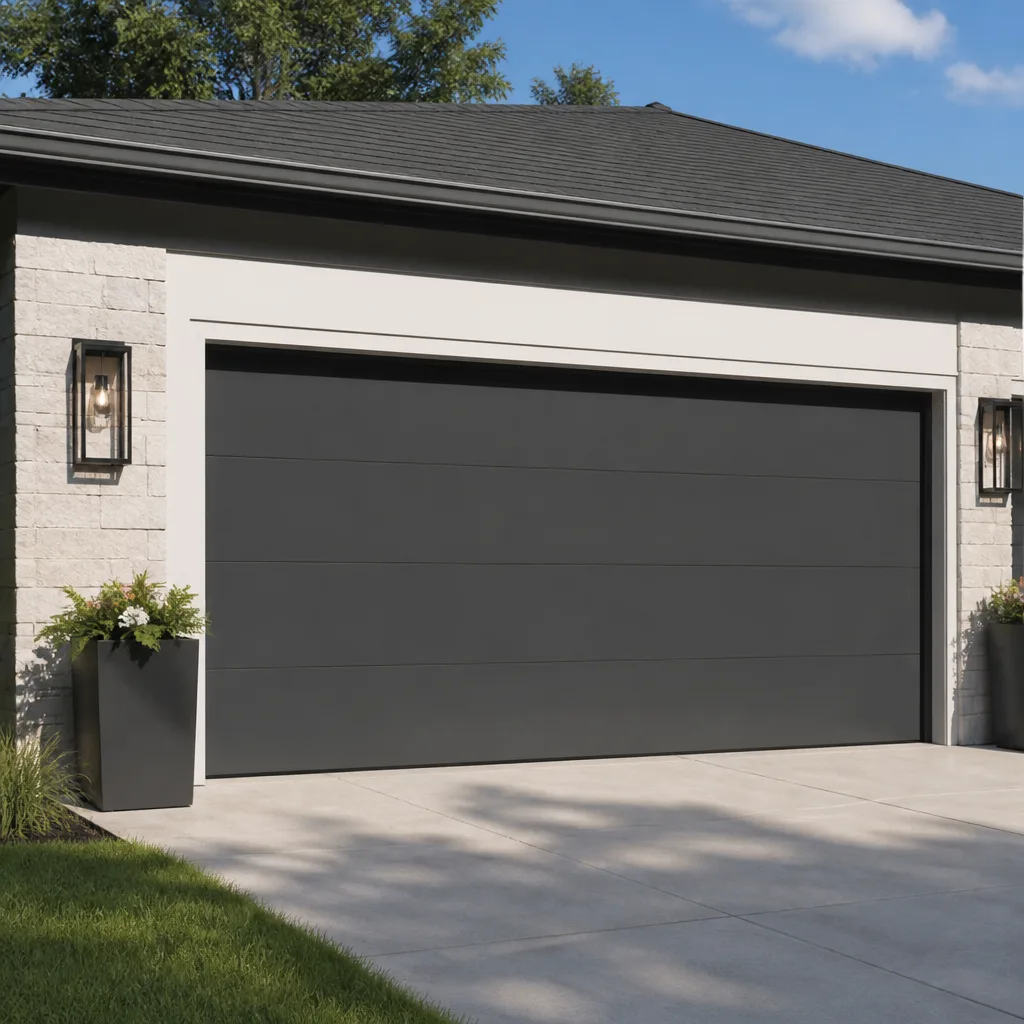 Modern flush
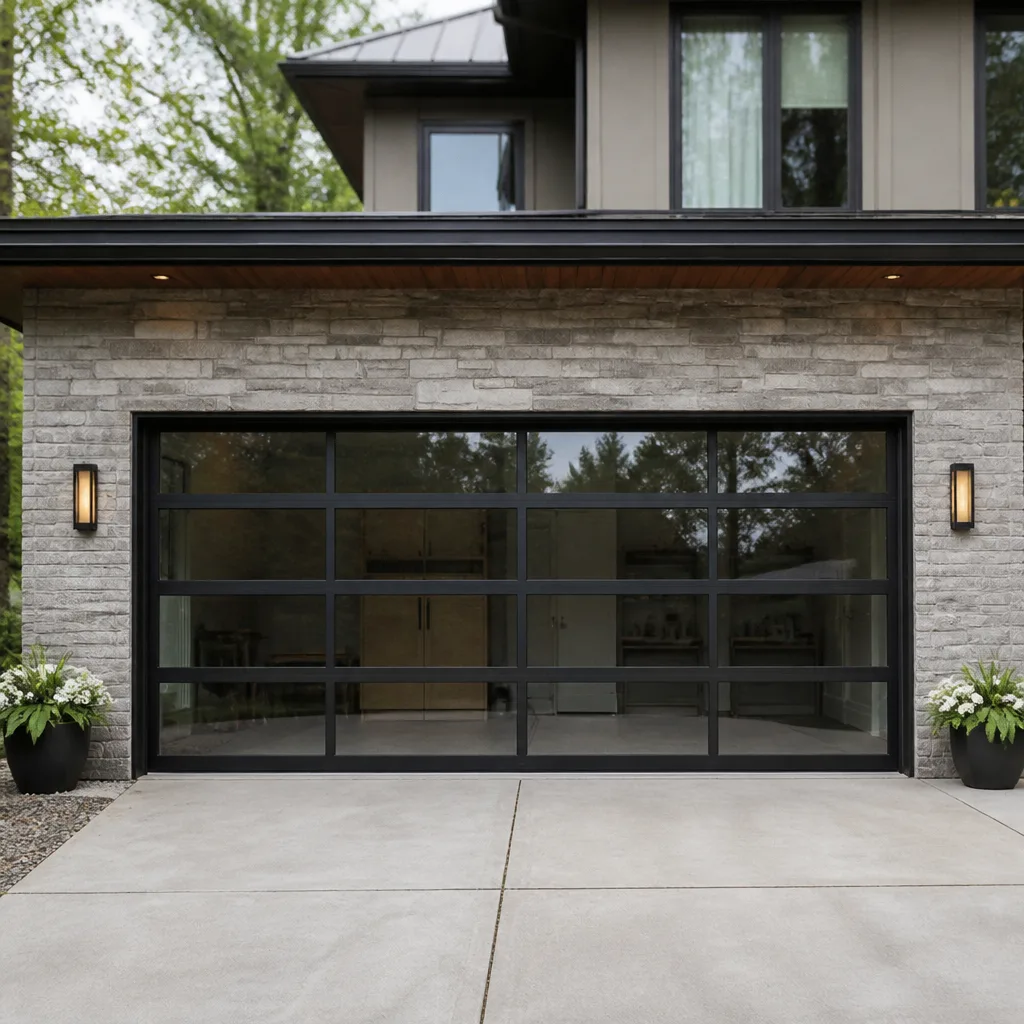 Full-view glass
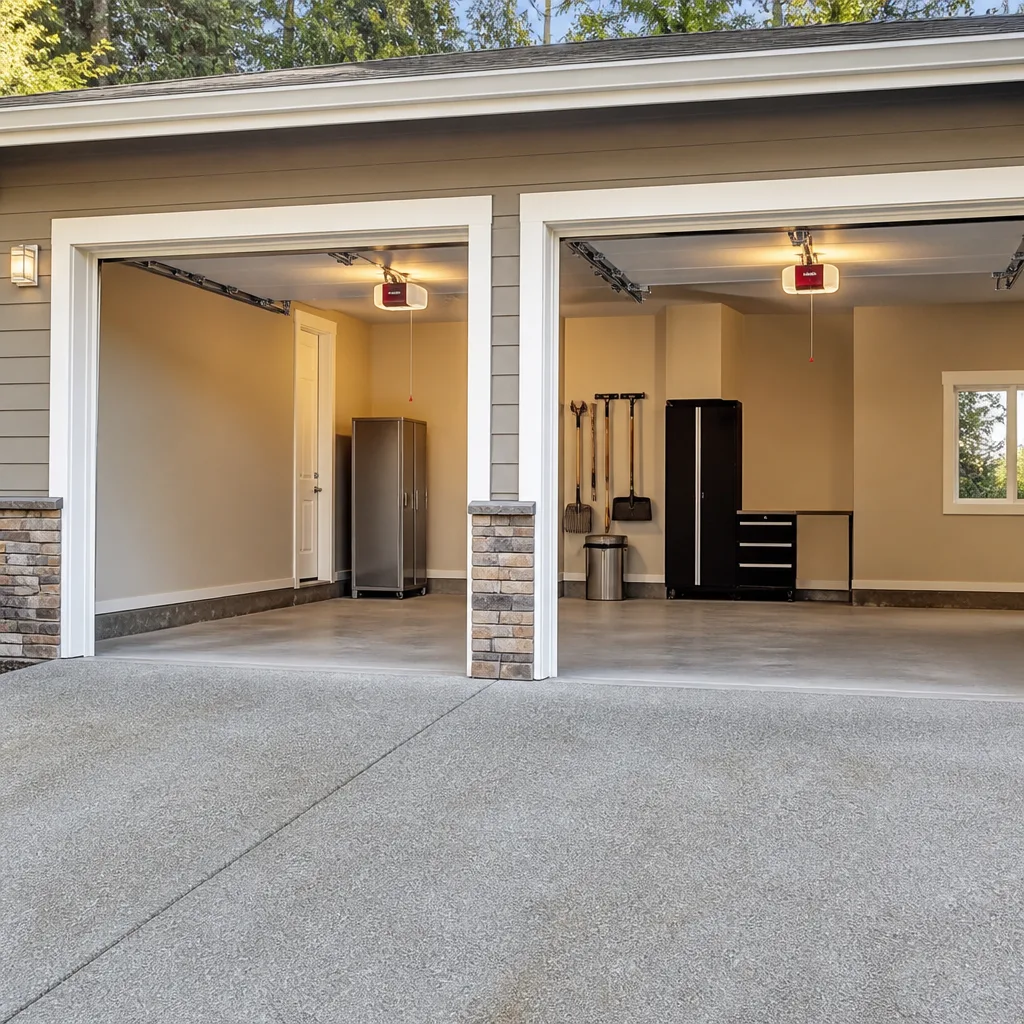 LiftMaster openers
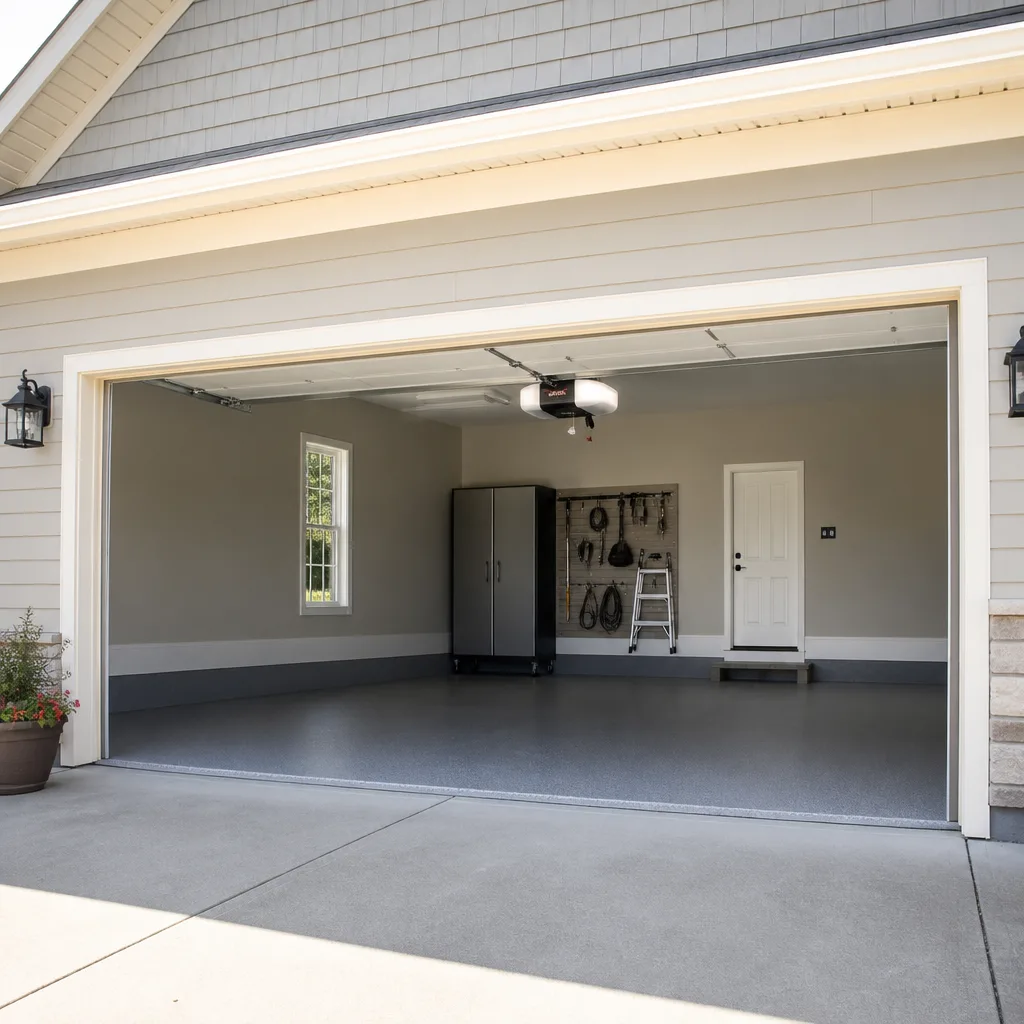 Chamberlain openers
Full 25-point door and opener safety check with every visit - springs, cables, rollers, tracks, and your LiftMaster or Chamberlain opener included
You get a price before we start. It does not change when the truck arrives.
Get your free estimateChoosing the Right Garage Door Brand: A Buyer’s Guide for Castro Valley
The brand with the most attractive showroom door isn’t always the one with the most available replacement parts five years later. And in Castro Valley’s coastal-adjacent climate, the finish warranty matters more than most buyers realize when they’re comparing price. This guide is written from a repair perspective, not a sales floor perspective – similar to The Complete Garage Door Repair Guide for Castro Valley Homeowners. We see which doors hold up, which openers fail, and which brands leave homeowners waiting weeks for a part that should take days. By the end, you’ll know how to evaluate brands the way a technician does: by long-term cost of ownership, parts availability, and how well the product handles Castro Valley’s specific mix of marine air, sun exposure, and temperature swings.
Quick Answer
The best garage door brand for most Castro Valley homeowners is the one with the strongest local parts availability, a finish warranty that covers coastal-adjacent exposure, and an opener system with serviceable circuit boards rather than proprietary lockouts. Clopay and Amarr consistently offer the best balance of finish durability and serviceability for doors, while Chamberlain and Genie openers have the most readily available replacement parts in the Bay Area. The smartest choice is often a mixed pairing: a door from one manufacturer and an opener from another, a topic we explore in DIY vs Professional Garage Door: The Castro Valley Homeowner’s Decision Guide.
Styles & brands we work with
- Raised-panel steel
- Carriage house
- Modern flush
- Full-view glass
- LiftMaster openers
- Chamberlain openers
Table of Contents
- How to Evaluate a Garage Door Brand: The Technician’s Framework
- Parts Availability and Serviceability: The Metric Dealers Never Lead With
- Finish and Material Performance in Castro Valley’s Climate
- Evaluating Opener Brands by Repair Frequency
- Why Mixing Door and Opener Brands Often Makes More Sense
- Questions to Ask a Dealer That Reveal Their Real Motives
- Common Mistakes to Avoid
- When to Call a Professional
How to Evaluate a Garage Door Brand: The Technician’s Framework
Most buyers start with price and appearance. We start with three questions you won’t find on any showroom brochure. First, how long does it take to get a replacement panel or spring assembly for this brand in Alameda County? Second, does the manufacturer require proprietary components that lock you into their dealer network? Third, what does the finish warranty actually cover in a climate like Castro Valley’s, where west-facing doors get direct afternoon sun and marine air drifts in from the Bay?
Here’s the framework – part of our Complete Guide to Garage Door in Castro Valley – we use when we’re asked to assess a door that’s already installed. It works just as well before you buy.
- Check the hardware grade. Hinges, rollers, and track brackets tell you more about a door’s longevity than the panel material. Look for galvanized or stainless hardware. Cheaper doors use plated steel that corrodes within three to five years in Castro Valley’s moisture patterns, especially for homes in the hills above Redwood Road where fog lingers longer in the morning.
- Ask about spring cycle rating. Torsion springs are rated for cycles, not years. A 10,000-cycle spring lasts roughly seven to nine years under normal use. Some budget brands ship with 5,000-cycle springs. That’s a real cost difference when replacement runs $180 to $340 in Castro Valley.
- Look at the section joint design. Overlapping joints with thermal breaks matter more than insulation R-value claims. A door that seals poorly at the seams costs you heat loss every night and strains the opener every cycle.
- Confirm the wind-load rating. Castro Valley’s exposed ridges, particularly around Five Canyons and Palomares Hills, get genuine wind gusts that flex weak doors. A standard non-reinforced door will rattle and eventually crack at stress points.
We evaluate doors the same way for every brand, whether it’s a Clopay from a big-box installer or an Amarr from a specialty dealer. The framework doesn’t change because the logo does. What changes is how each manufacturer scores on the questions above, and that’s where the real differences show up over time. Whether it’s the door, the opener, or both, the diagnosis process is the same: identify what’s failing, confirm what’s serviceable, and replace what isn’t.
Parts Availability and Serviceability: The Metric Dealers Never Lead With
Here’s the uncomfortable truth about the garage door industry: every manufacturer makes doors that look good on day one. The difference is what happens on day 1,500, when a teenager backs into the bottom panel or a spring finally gives out. In Castro Valley, we’ve seen homeowners wait three to six weeks for replacement panels from manufacturers with weak West Coast distribution. That’s three to six weeks with a tarp over the opening or a door that won’t seal.
Clopay and Amarr have the strongest parts distribution in Northern California. When we install or repair those brands, standard replacement panels and hardware are typically available within days, not weeks. Wayne Dalton has solid distribution but more proprietary components, which can complicate repairs on older models. Raynor doors are well-built, but their smaller West Coast footprint sometimes means longer lead times for non-standard parts.
What we’re listening for in your situation:
- Standard vs. custom components. Some brands use industry-standard hardware that any competent technician can source. Others use brand-specific brackets, hinges, and track profiles. Proprietary parts mean one supplier, and one supplier means you wait on their schedule.
- Panel matching over time. Finish colors and panel profiles change. A brand that maintains consistent paint codes and panel designs for a decade means a 10-year-old door can get a matching replacement panel. Brands that refresh their lineup every three years leave owners with mismatched sections.
- Opener compatibility across brands. This is the practical question. If your opener fails, can you replace it without replacing the door? With modern shaft-drive openers, the answer is usually yes regardless of brand, but some proprietary systems make cross-brand replacement unnecessarily complicated.
Our recommendation for Castro Valley homeowners: before you sign any purchase order, ask the dealer which local distributors stock that specific brand’s replacement parts. If the answer is a national hotline and a four-week lead time, keep shopping. A door that can’t be serviced quickly in Castro Valley is a door that will cost you more, not less, over its service life. That’s the conversation we have with customers considering garage door installation in Castro Valley, and it’s the same lens we bring to every repair assessment.
Finish and Material Performance in Castro Valley’s Climate
Castro Valley sits in a specific microclimate zone. You’re not getting San Francisco’s constant fog, but you’re also not getting Livermore’s dry heat. What you get is marine air that pushes through the Hayward corridor, morning fog that burns off by ten, afternoon sun that beats on west-facing garage doors, and seasonal temperature swings that stress paint and metal at different rates. Doors in the hills above Castro Valley Boulevard face more wind. Doors in the flatlands near the BART station face more sun reflection off concrete.
Here’s what we see in practice:
- Steel doors with powder-coat finishes hold up best. Clopay’s powder-coat process and Amarr’s baked-on finishes both perform well in Castro Valley, but only if the door gets washed twice a year. Marine air deposits salt and grime that, left alone, etches into clear coats within three years.
- Vinyl-backed steel resists internal rust better than bare steel. The back of the door is where moisture collects, especially in uninsulated garages that stay cool and damp overnight. A vinyl backer adds a meaningful corrosion barrier for Castro Valley homes with detached garages or poor ventilation.
- Wood doors require a maintenance commitment. They’re beautiful and they fit the aesthetic of older Castro Valley homes, but wood expands and contracts with humidity. Cedar and redwood hold up better than fir, but all wood doors need refinishing every two to four years. Skip that cycle and the door will warp, crack, and eventually rot at the bottom rail.
- Aluminum and glass doors are fine for protected openings. If your garage faces north or sits under a deep eave, aluminum won’t fight you. If it faces west with direct afternoon sun, the anodized finish will fade and chalk over time. We see this pattern consistently on homes along Castro Valley Boulevard with western exposures.
One more Castro Valley-specific note: the finish warranty language matters more than the warranty length. A 10-year finish warranty that excludes fading within five miles of coastal influence is not a 10-year warranty in practice. Read the exclusions. Then ask the dealer to show you, in writing, whether Castro Valley falls inside the exclusion zone. Some manufacturers draw those lines at surprising distances from the Bay. Genie and Chamberlain don’t make doors, so this applies to door manufacturers specifically, but the principle extends to any finish claim you’re reviewing.
Evaluating Opener Brands by Repair Frequency
We work on opener systems every week in Castro Valley, and the pattern is consistent across neighborhoods. The failure point is almost never the motor. It’s the circuit board, the capacitor, or the drive gear. When we evaluate opener brands, we’re looking at how often those components fail and how easy they are to replace when they do.
Chamberlain and LiftMaster currently have the most mature replacement-parts ecosystem in the Bay Area. Their circuit boards, capacitors, and drive gears are stocked by regional distributors, which means a dead board on a Tuesday morning can be replaced by Tuesday afternoon. Genie has solid distribution too, though their older models have some board-revision inconsistencies that make exact-match sourcing more time-consuming on units produced before 2015. Craftsman openers are manufactured by Chamberlain, so parts cross-reference well, which is useful knowledge when a homeowner has a 12-year-old Craftsman that still works fine mechanically but needs a new logic board.
Key evaluation points for any opener brand:
- Circuit board failure rate and replacement cost. This is the number one repair we see across all brands. A board that costs $140 to replace is manageable. A board that’s discontinued, forcing a full opener replacement, is not. Ask whether the manufacturer guarantees logic board availability for a defined period.
- Proprietary programming risk. Some newer openers require dealer-level apps or proprietary diagnostic tools for basic programming changes. That means a simple limit adjustment becomes a service call. We’re brand-agnostic and work on all major systems, but owners of proprietary platforms should know they’re paying for app development, not necessarily reliability.
- Drive type for Castro Valley garage sizes. Belt drives are quieter, which matters if you have a bedroom above the garage, common in two-story Castro Valley homes. Chain drives are louder but more forgiving of imperfect door balance. Screw drives handle temperature changes well but are less common now. The brand matters less than the drive type matched to your specific opening.
- Smart home integration without lock-in. Chamberlain and Genie both offer apps and smart-home compatibility. The question is whether the system degrades gracefully if the app is discontinued. We prefer openers that still work normally with a wall button and remote if the smart features stop receiving updates.
If you’re experiencing opener problems before you’re ready to replace, that’s our lane. We offer garage door opener repair in Castro Valley across all major brands, and diagnosing the specific failure before recommending parts is how we keep costs where they should be. Diagnose before we quote isn’t a slogan. It’s the only honest way to do this work.
Why Mixing Door and Opener Brands Often Makes More Sense
Door manufacturers want you to buy their door. Opener manufacturers want you to buy their opener. The result is bundled marketing that implies the two products are engineered to work together and somehow perform better as a matched set. In our experience in Castro Valley, that’s rarely the technical reality.
Here’s what actually matters: the opener needs to be correctly sized for the door’s weight and balanced to the door’s spring system. The door doesn’t care what brand of opener lifts it. The opener doesn’t care what brand of door it’s lifting. What matters is compatibility between the door’s spring rating and the opener’s lifting capacity, plus proper installation and programming of the force settings and travel limits.
When mixing makes sense:
- You want a specific finish from a door manufacturer whose openers are mediocre. Buy the door for the finish and material. Put a reliable opener on it from a brand with strong parts availability. Nothing about that combination creates a technical conflict.
- Your existing opener is newer and working fine, but the door needs replacement. Don’t replace a two-year-old opener just to match brands. That’s spending money on branding, not function. A capable opener from Chamberlain or Genie will lift a new Clopay or Amarr door without issue, assuming the installer re-balances the springs and re-programs the limits.
- Your opener fails but the door has years of life left. This is the most common scenario we see. The opener dies, not the door. In that case, installing a new opener on an existing door is straightforward, and brand matching is completely irrelevant. What matters is whether the installer verifies the door’s balance and spring condition before mounting the new opener.
Our position at Compass is brand-agnostic by design. We’re trained and experienced on eight major brands: LiftMaster, Chamberlain, Genie, Clopay, Amarr, Wayne Dalton, Craftsman, and Raynor. That breadth means we don’t have a brand to push. We have a problem to solve. When a homeowner in Castro Valley calls us for a diagnosis, the answer is based on what their specific opening needs, not what’s sitting in our inventory. One call, one specialist, and the recommendation is driven by your garage, not our stockroom.
Questions to Ask a Dealer That Reveal Their Real Motives
Dealers are efficient at answering questions. The skill is in asking questions they weren’t prepared for. In our work across Castro Valley, we’ve learned which questions separate salespeople from technicians. Here are the ones that matter, and what honest answers sound like.
“How long will it take to get a replacement panel for this exact door, in this exact finish, if it’s damaged five years from now?”
An honest answer includes specific distribution details: which local warehouse stocks the brand, what the typical lead time is, and whether older finishes are maintained. A vague answer means the dealer either doesn’t know or doesn’t want to tell you. In Castro Valley, where a damaged door is a security and weather-sealing problem, lead time is not a small detail.
“What’s the cycle rating on the springs that ship with this door? Can I upgrade, and what’s the cost?”
Every dealer knows their headline door price. Far fewer know the spring rating. High-cycle springs cost more upfront and save you a repair call in the seven-to-ten-year range. A dealer who can’t answer this question comfortably is selling boxes, not doors.
“If I buy this door but choose a different opener brand, will you install that combination?”
If the answer is no, or if they steer you hard toward the bundled opener, that tells you something about their incentives. There’s no technical reason a competent installer can’t pair a Clopay door with a Chamberlain opener or an Amarr door with a Genie opener. If a dealer insists on matching brands, ask why. The answer is usually about margin, not compatibility.
“What does the finish warranty exclude for homes within 10 miles of the Bay?”
Read the actual exclusion language. Ask the dealer to point to it. If they can’t produce the warranty document during the sales conversation, assume the warranty is weaker than the sales pitch. Castro Valley’s location means this specific question will either get you a straight answer or reveal that the dealer has never actually read the warranty.
“Can you provide references from installations in Castro Valley or Hayward that are at least five years old?”
A dealer who has been installing locally will have them. A dealer who won’t provide them is either new to the area or doesn’t want you calling their previous customers. Five years is the right threshold: enough time for finish problems, hardware corrosion, and spring failures to have shown up.
For a deeper look at what’s involved in a full replacement, our guide to garage door repair in Castro Valley covers what we look for during inspections, including the exact failure patterns that predict future problems. That’s the same lens you should apply before spending on a new door.
Common Mistakes to Avoid
- Prioritizing the door’s appearance over its hardware grade. The panel is what you look at. The hinges, rollers, and springs are what you live with. A premium-looking door on budget hardware will nickel-and-dime you for a decade. We see this pattern regularly in Castro Valley, and the repair bills always land heavier than the savings at purchase.
- Buying based on the “lifetime warranty” headline without reading exclusions. Lifetime warranties on steel panels rarely cover finish, hardware, or labor. In Castro Valley’s marine-influenced climate, finish exclusions are the most likely to bite you. If the finish is excluded, the warranty is protecting the manufacturer, not you.
- Assuming you must replace the door and opener as a matched set. As covered above, this is marketing, not engineering. A functioning opener can stay when the door is replaced, and vice versa. Spend on what’s failing, not on a brand-consistency story.
- Overlooking the spring cycle rating because the salesperson didn’t mention it. This is the most expensive silent omission in the industry. A door with 5,000-cycle springs will need spring replacement roughly twice as often as one with 10,000-cycle springs. The door on the quote looks identical. The long-term cost doesn’t.
- Skipping the wind-load reinforcement for exposed garage faces. Homes on Castro Valley’s ridgelines, particularly in the Palomares Hills and Five Canyons neighborhoods, get winds that flex un-reinforced doors. The damage accumulates quietly: stress cracks at section joints, loosened hardware, and premature spring wear. Reinforcement struts are a modest upgrade that prevents a real problem.
- Choosing wood for the look without budgeting for the maintenance cycle. Wood doors suit many Castro Valley home styles, especially the older neighborhoods near the downtown core. But they demand refinishing every two to four years, and in Castro Valley’s humidity swings, missed cycles lead to warping and rot. If you won’t maintain it, steel with a wood-grain finish is the honest alternative.
When to Call a Professional
Some jobs are straightforward research-and-decide projects. Others require a technician on site before you spend a dollar. If your current door is unbalanced, sticking, or making grinding sounds, get an assessment before you buy a replacement. The problem may be a broken spring, a failed bearing, or a track misalignment rather than the door itself, and spending $2,500 on a new door when a $300 repair would have solved it is the opposite of value. The same applies if your opener is failing intermittently, reversing, or making unusual noises. Intermittent problems often point to a failing logic board or capacitor, and replacing an otherwise solid opener prematurely is a common Castro Valley mistake. Compass Garage Door Repair offers free estimates in Castro Valley. Call (855) 356-4948 and we’ll diagnose the actual problem before any money changes hands. Our work covers repair, opener repair, and full installation, all under one roof. If you’re just starting to think about a replacement, start with our Compass Garage Door Repair home page to see how our repair-first approach shapes every service we offer.
See the difference
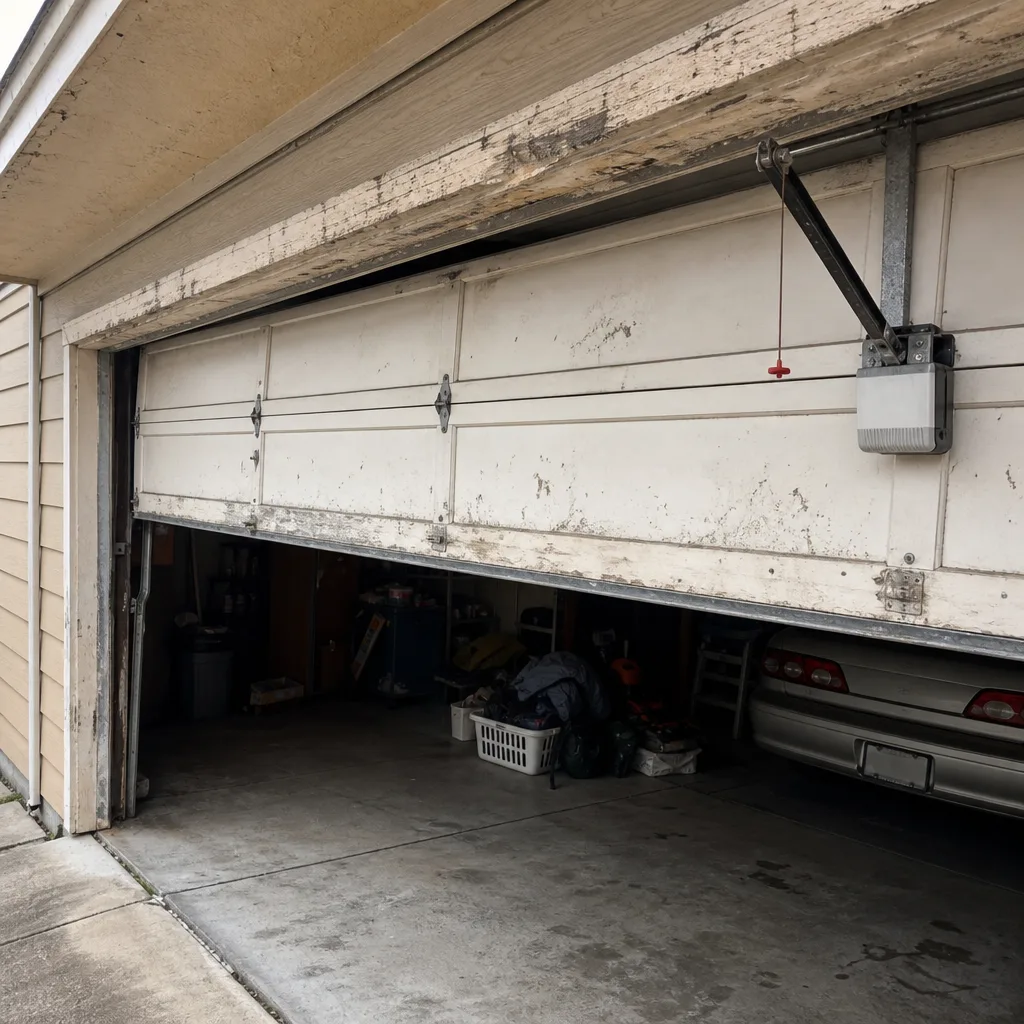 Before
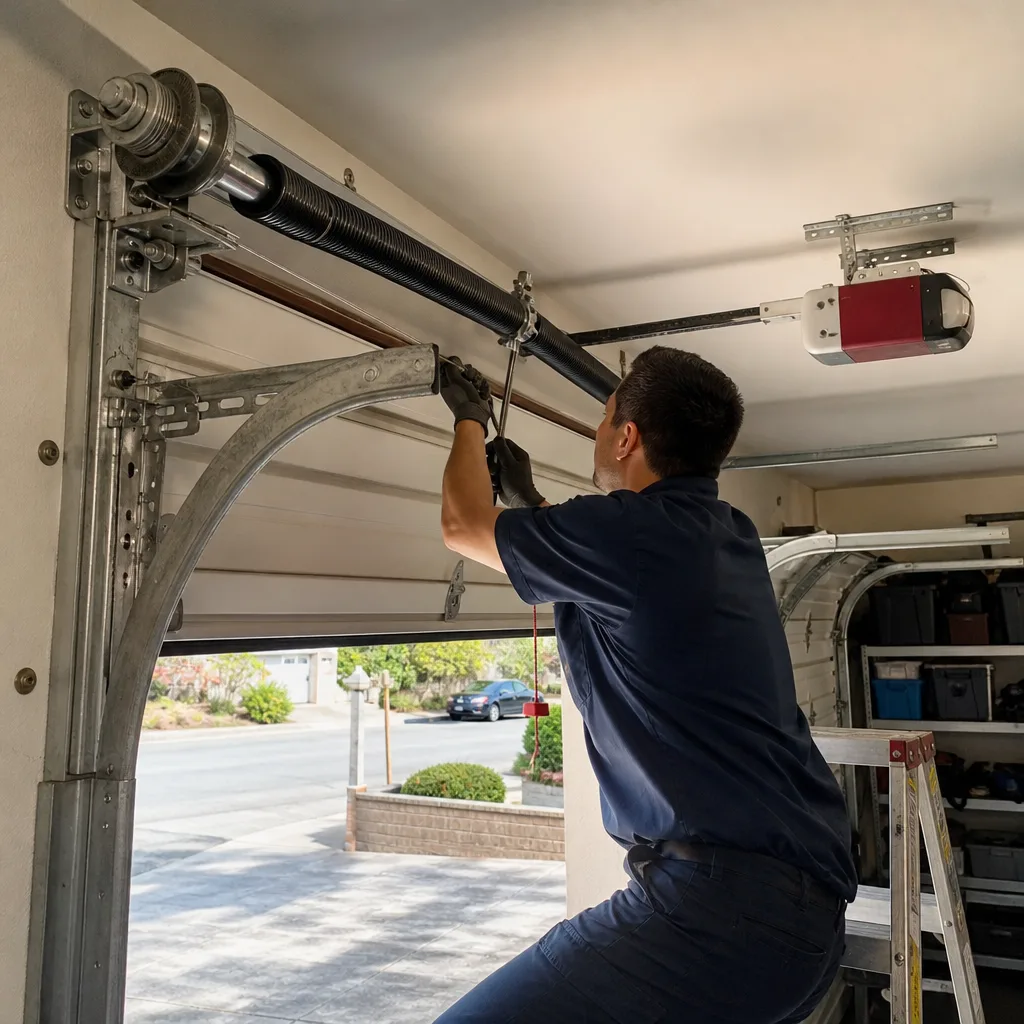 After
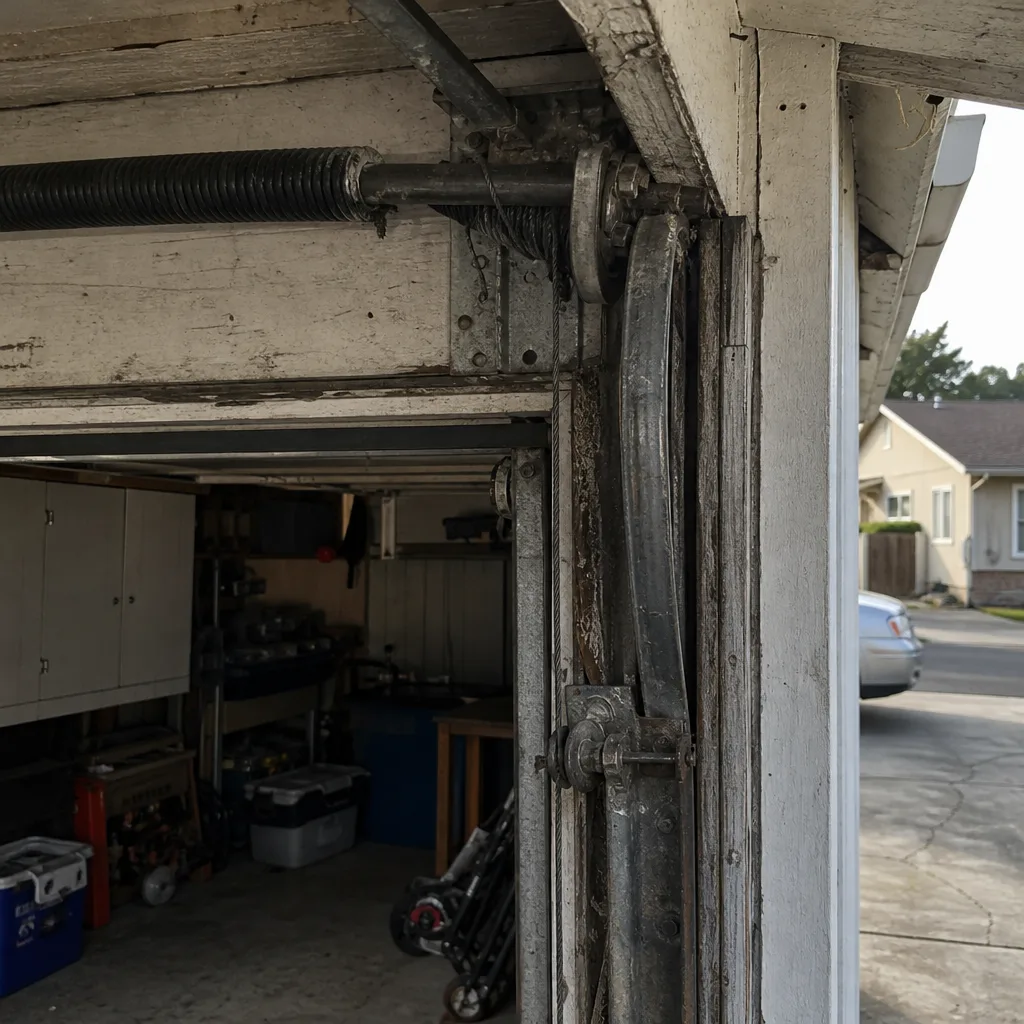 Before
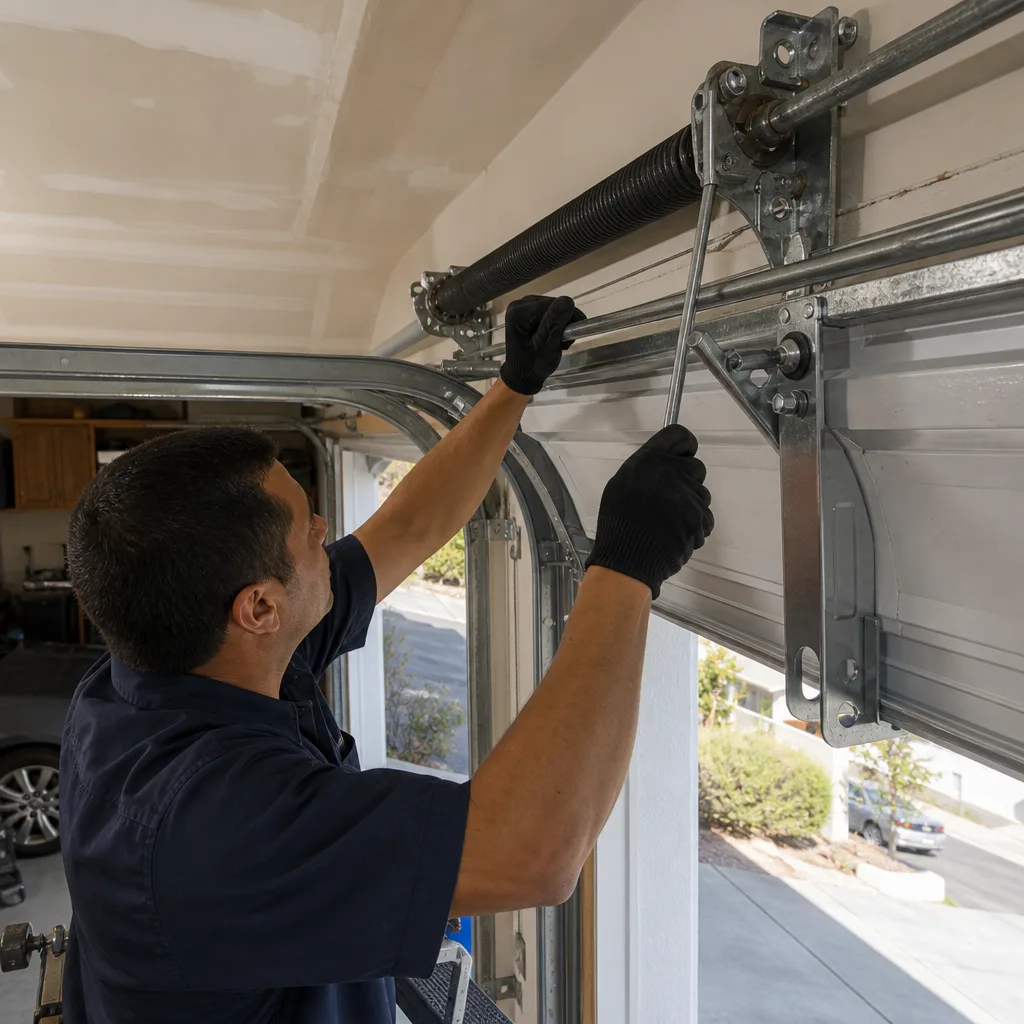 After
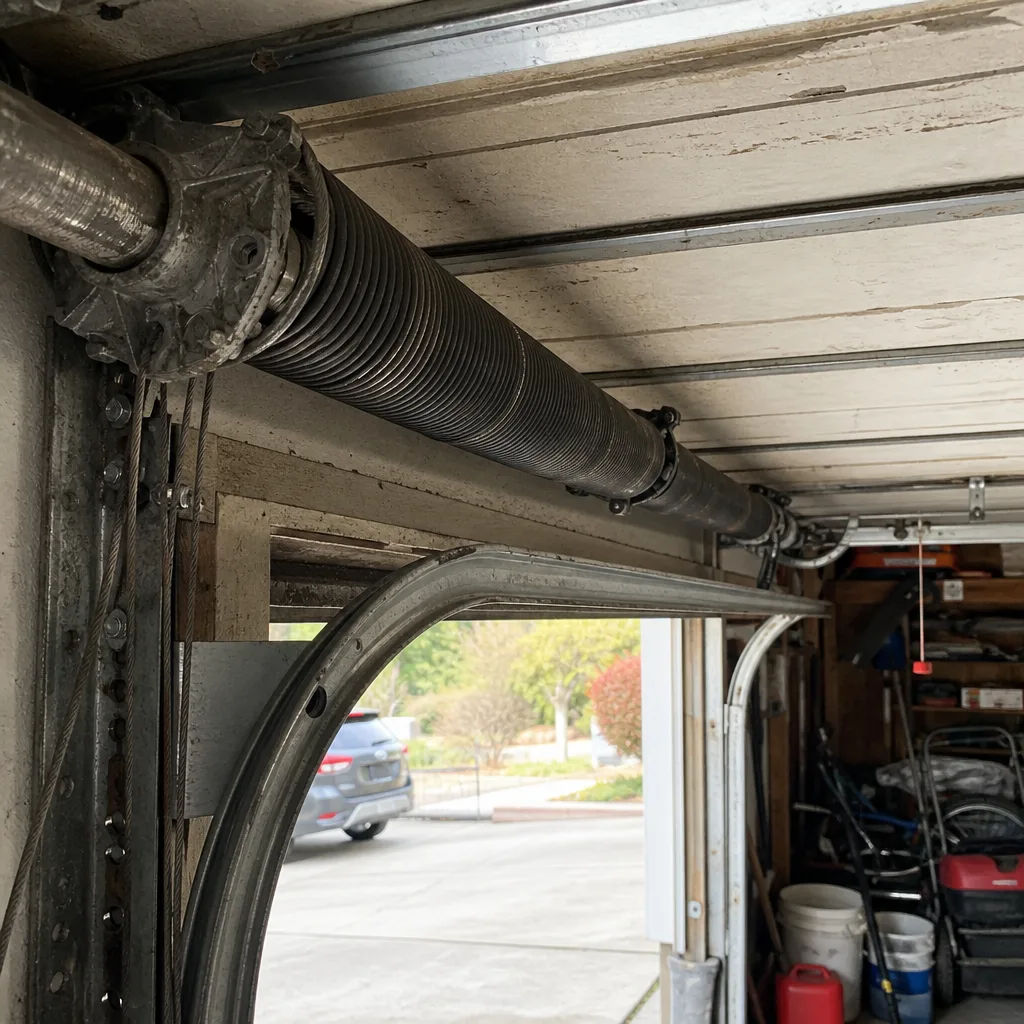 Before
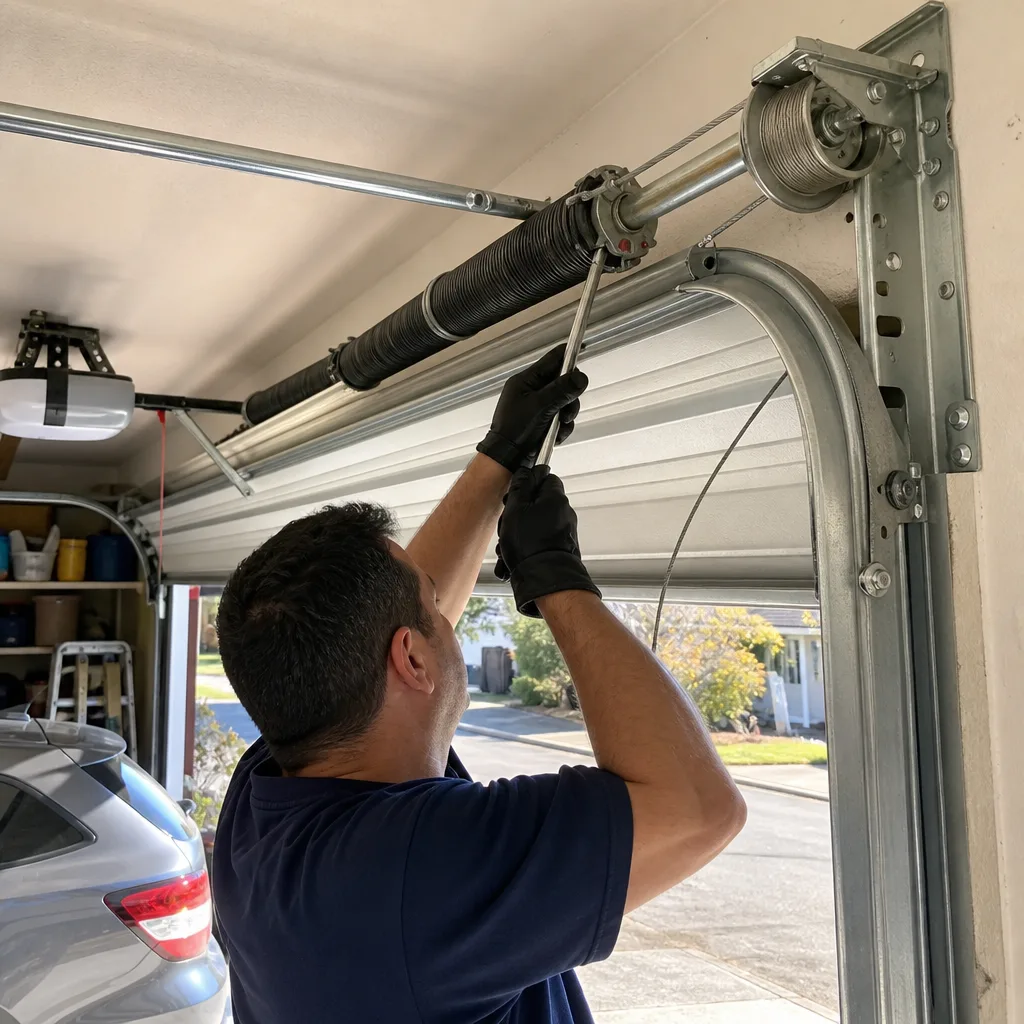 After
Frequently Asked Questions
For most Castro Valley homes, Clopay and Amarr offer the strongest combination of finish durability, parts availability, and serviceability, while Chamberlain and Genie are the most practical opener choices due to their Bay Area parts distribution. The best brand for your home depends on your garage’s sun exposure, whether the door faces the marine air corridor, and how long you plan to stay in the house. Call (855) 356-4948 for a free assessment based on your specific opening, and we’ll recommend by function, not by inventory.
A quality steel garage door with proper installation and basic maintenance should last 15 to 25 years in Castro Valley, though finish fade may appear sooner on west-facing doors with direct afternoon sun exposure. The limiting factor is usually not the panels but the hardware: springs last 7 to 10 years, rollers 7 to 12 years, and opener logic boards 10 to 15 years depending on brand and usage pattern.
No, there’s no technical requirement to match door and opener brands, and mixing manufacturers often produces a better long-term result by pairing the strongest door finish with the most serviceable opener system. A Clopay door with a Chamberlain opener, or an Amarr door with a Genie opener, are both standard combinations that install without issue when the opener is properly sized and the door is properly balanced.
A standard single-car steel garage door installed in Castro Valley typically runs from $900 to $1,800, while a double-car door with insulation and a mid-grade finish typically ranges from $1,500 to $3,200 depending on material, finish, and hardware grade. The price is always quoted and agreed before any work starts, so there are no surprises on the invoice. Call (855) 356-4948 for an exact quote, and we’ll walk you through the options that fit your specific garage.
Yes, coastal-influenced air deposits salt and moisture that accelerates corrosion on uncoated hardware and etches clear-coat finishes on doors within two to four miles of the Bay influence zone, which includes most of Castro Valley. Homes in the hills with more wind exposure see faster wear on hinges and brackets, while homes in the flatlands see more finish fading from sun reflection. Powder-coated steel and stainless hardware are the best defenses.
In most cases, yes, a functioning door with a specific problem, such as a broken spring, failed roller, or misaligned track, can be repaired rather than replaced, often for a fraction of the replacement cost. Compass Garage Door Repair works on LiftMaster, Chamberlain, Genie, Clopay, Amarr, Wayne Dalton, Craftsman, and Raynor systems, so we can work on your brand. Call (855) 356-4948 for a free estimate, and we’ll assess whether repair or replacement is the better long-term value for your Castro Valley home.
The Bottom Line
Choosing a garage door brand in Castro Valley is a long-term decision disguised as a one-time purchase. The smartest buyers evaluate parts availability first, finish warranty exclusions second, spring cycle ratings third, and opener serviceability fourth, while treating door and opener brands as independent decisions rather than a matched set. Clopay and Amarr are sensible door choices for most local homes. Chamberlain and Genie are sensible opener choices. The real differentiator is the installation quality and the honesty of the assessment before you spend. If you want a recommendation based on what’s best for your opening, not what’s easiest to sell, call Compass Garage Door Repair at (855) 356-4948 for a free estimate. We’ll evaluate your door, your opener, and your garage’s specific exposure, then tell you what actually needs to happen. No runaround. No upsell. Just a straight answer from a technician who works on your brand.
Written by the team at Compass Garage Door Repair, serving Castro Valley since 2018. For more guides & resources, visit our blog.