
Last updated November 2, 2026
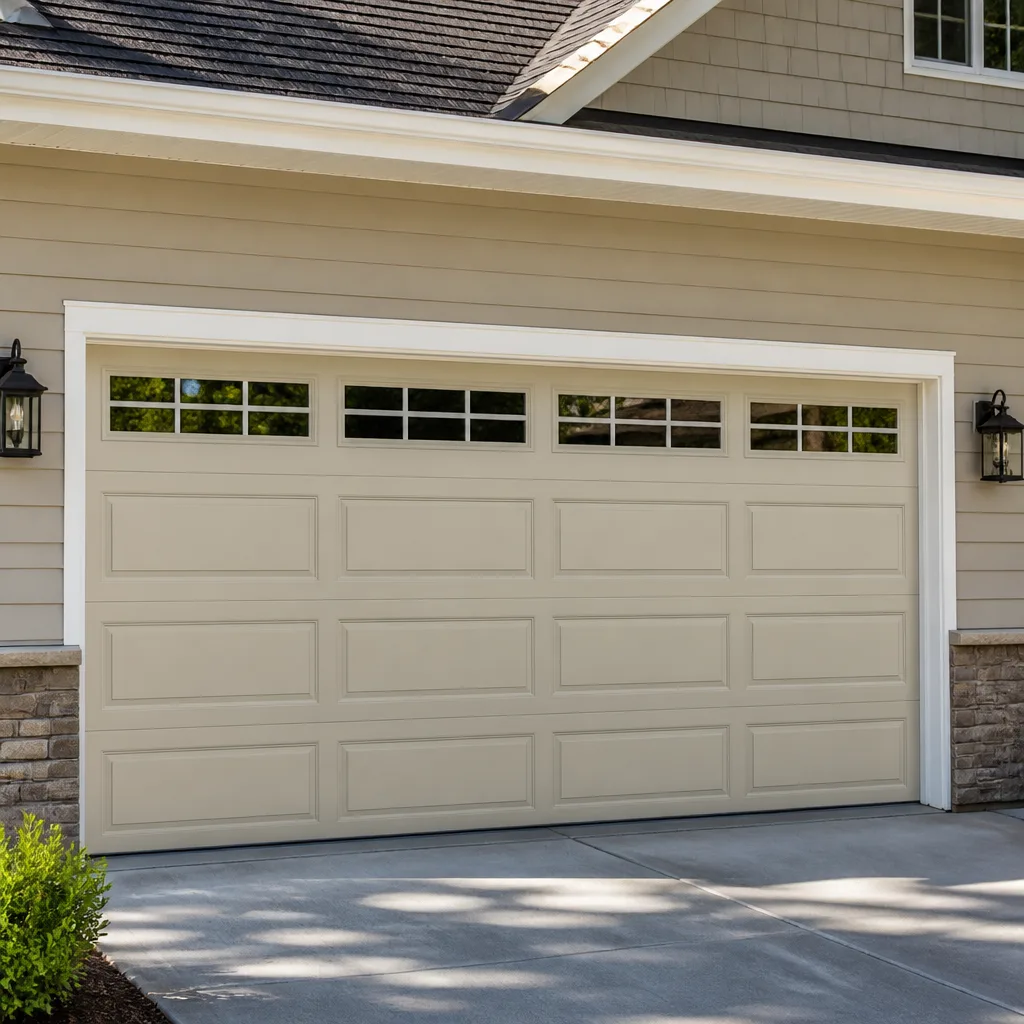 Raised-panel steel
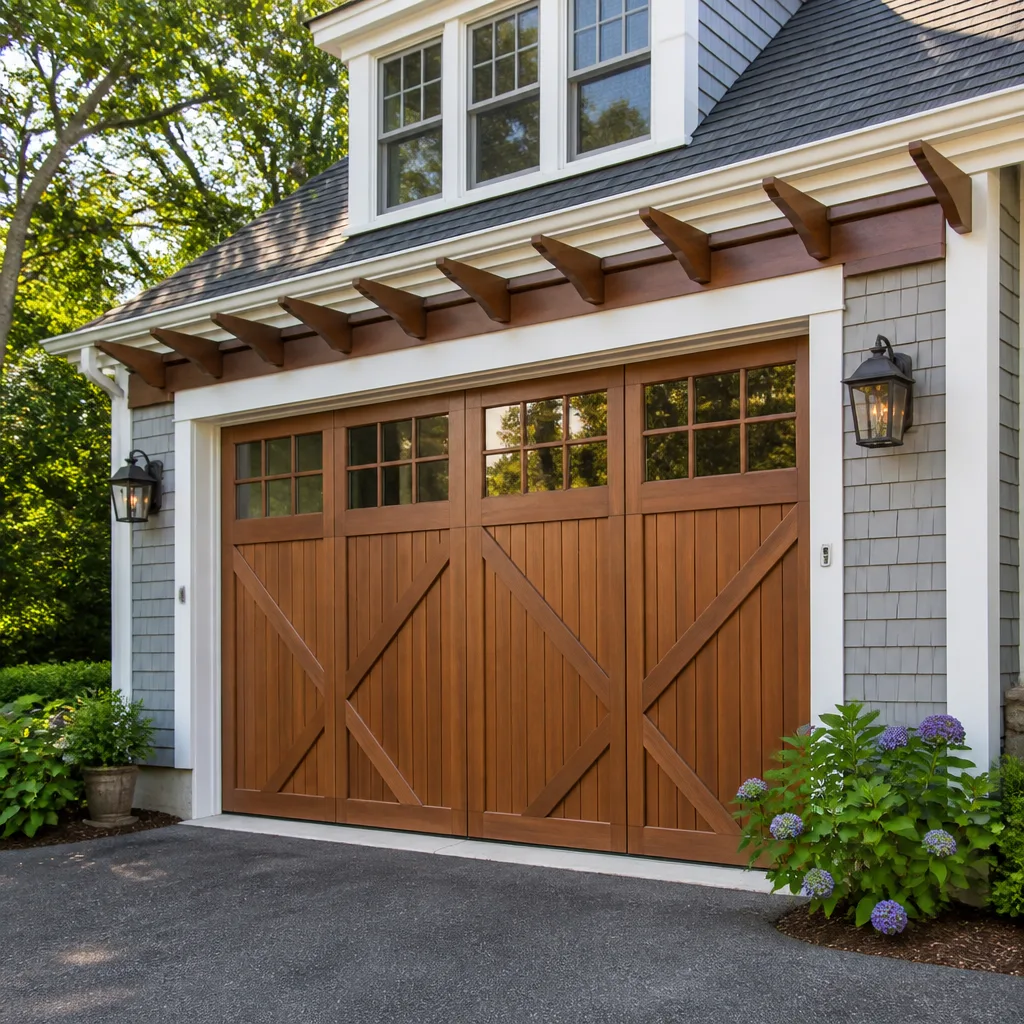 Carriage house
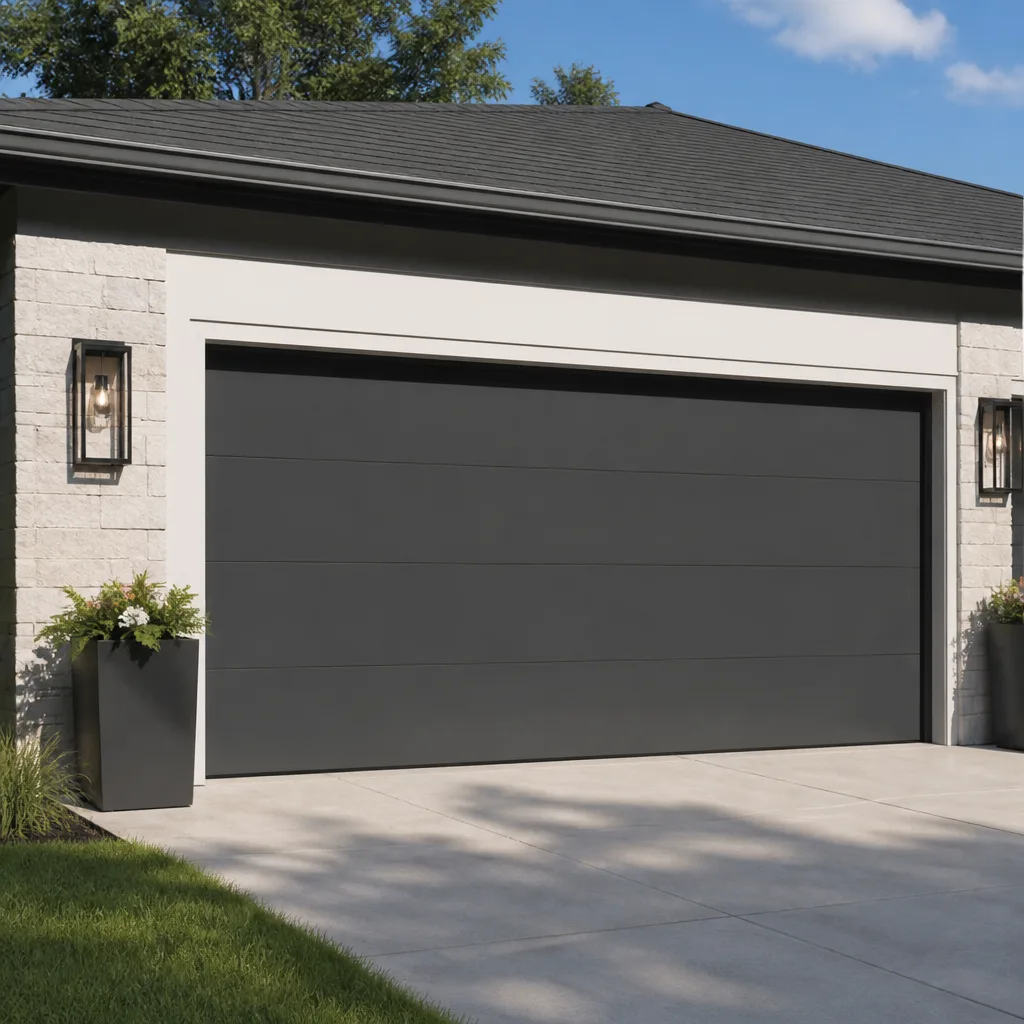 Modern flush
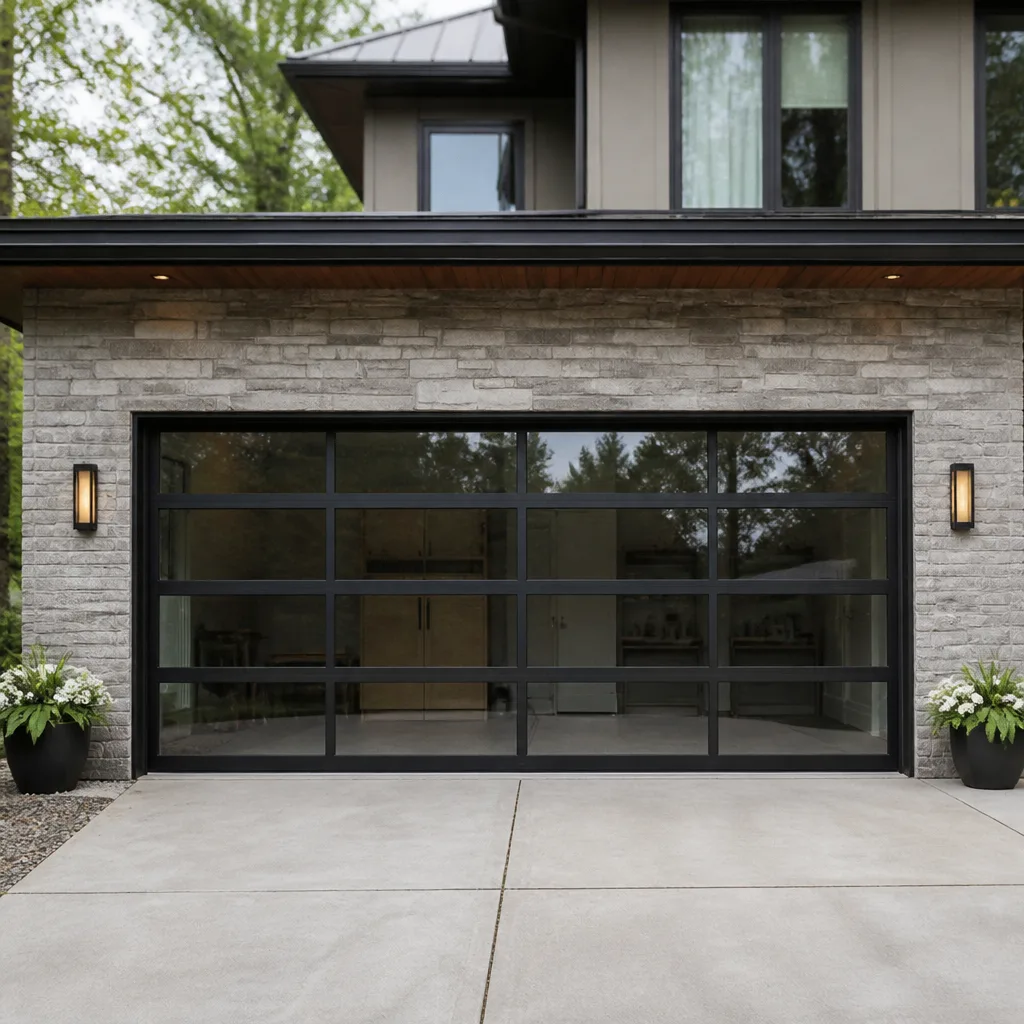 Full-view glass
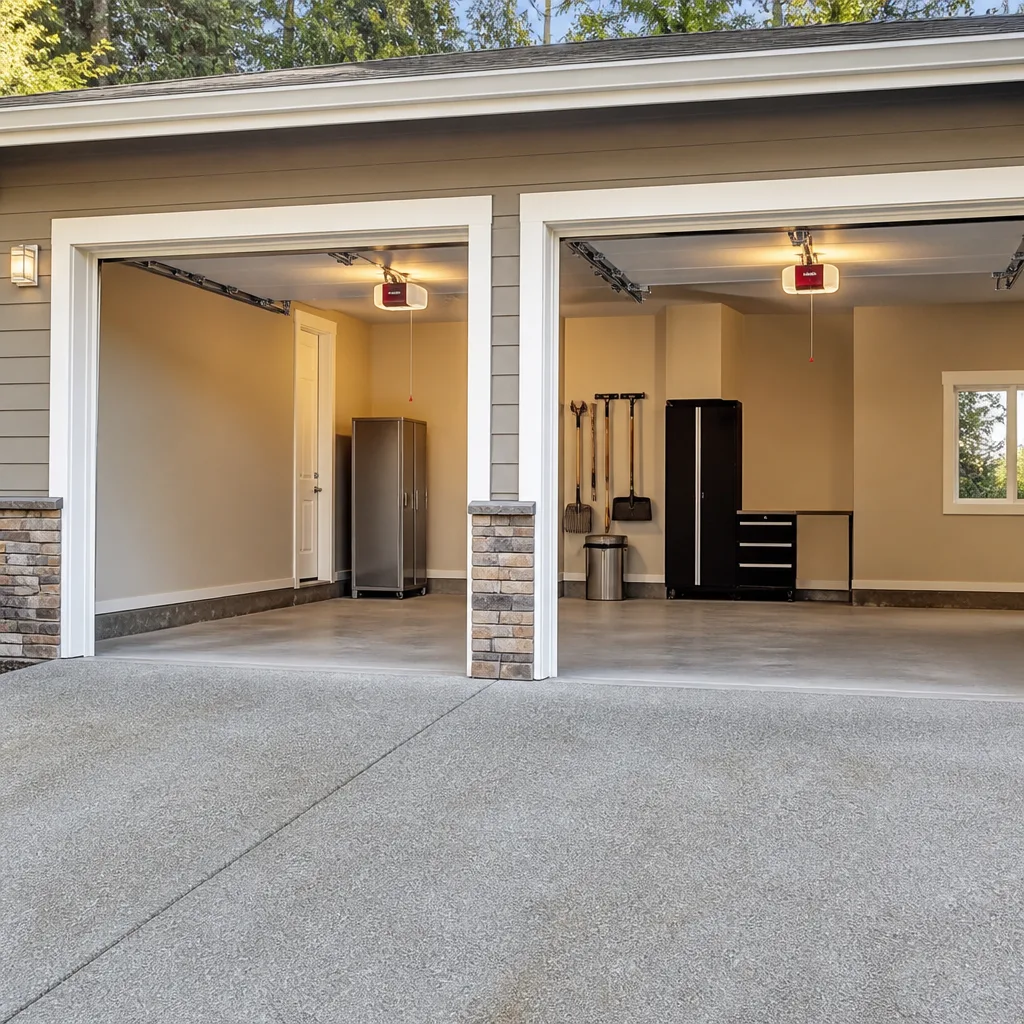 LiftMaster openers
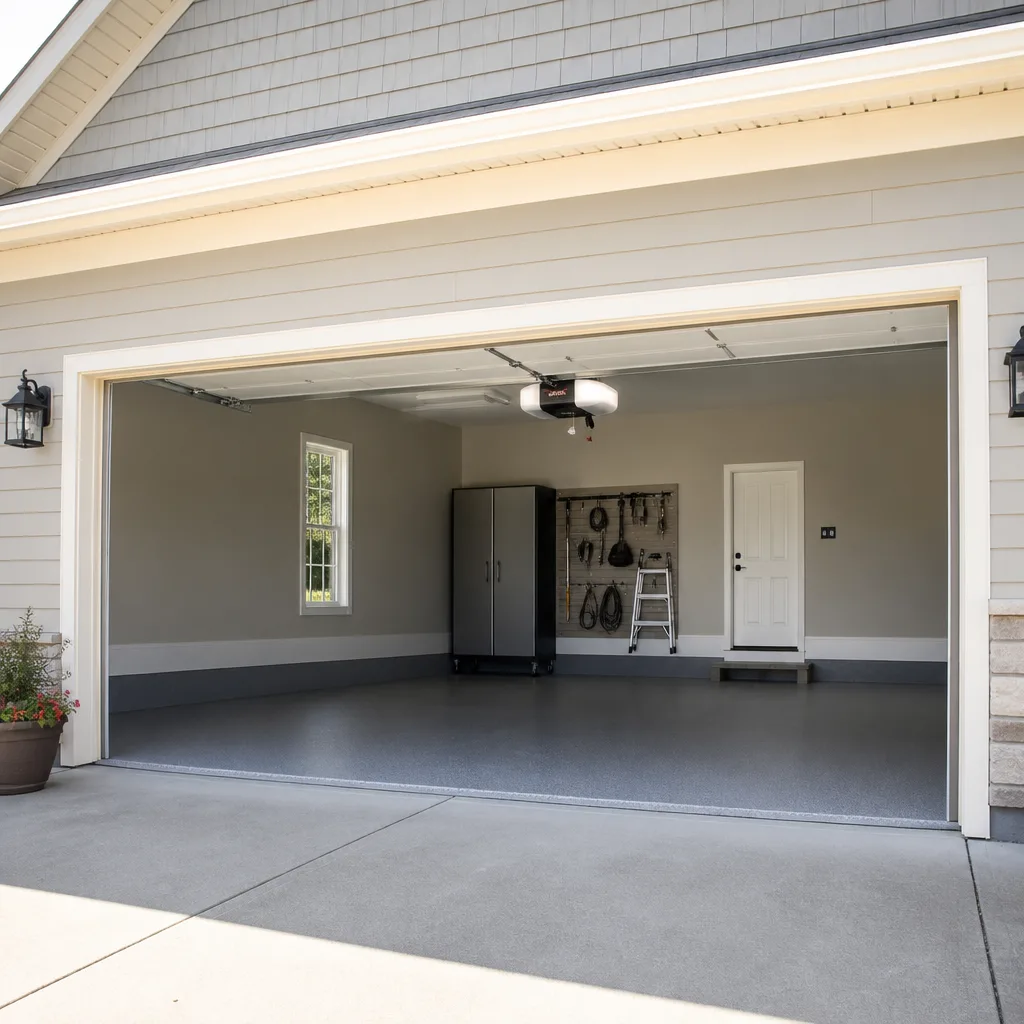 Chamberlain openers
Full 25-point door and opener safety check with every visit - springs, cables, rollers, tracks, and your LiftMaster or Chamberlain opener included
You get a price before we start. It does not change when the truck arrives.
Get your free estimateGarage Door Permits, Codes & Inspections in CA: What You Need to Know
A garage door replacement that doesn’t touch the structural opening usually doesn’t require a permit in California. But add a new opener circuit, change the header height, or swap in a door wider than the original, and the calculation changes completely. Most Castro Valley homeowners we talk to aren’t trying to dodge paperwork. They just want to know whether their project falls into the “no permit needed” bucket or the “don’t touch it until you file” bucket. This guide draws the line in plain English, covering the California Residential Code, Alameda County overlays, and what actually happens when work slips through without the right sign-off. For more guides & resources, see our blog.
Styles & brands we work with
- Raised-panel steel
- Carriage house
- Modern flush
- Full-view glass
- LiftMaster openers
- Chamberlain openers
Quick Answer
In California, a like-for-like garage door replacement that doesn’t alter the structural opening typically requires no permit, though local Alameda County rules add fire-separation requirements for attached garages. A permit is generally required when you modify the header, widen the opening, run new electrical for an opener, or convert a garage to living space. When in doubt, call your local building department before the work starts, not after.
Table of Contents
- Structural vs. Non-Structural: Where California Draws the Line
- What “Like-for-Like Replacement” Actually Means Under Code
- Garage Door Openers: When Electrical Permits Kick In
- Alameda County and Castro Valley Overlays: Attached Garage Fire Separation
- Seismic Requirements for Garage Door Work in California
- The Inspection Process: What Happens After You File
- Unpermitted Work, Insurance, and Resale Disclosure
- Common Mistakes to Avoid
- When to Call a Professional
- Frequently Asked Questions
- The Bottom Line
Structural vs. Non-Structural: Where California Draws the Line
California’s permitting rule for garage doors hinges on one word: structural. If the work changes the size, shape, or load-bearing function of the opening, you need a permit. If it doesn’t, you’re generally clear. The California Residential Code (CRC), specifically Chapter 3 on building planning, treats a garage door opening as part of the building’s lateral force-resisting system. Change that opening, and you’ve changed how the garage wall handles seismic and wind loads.
Here’s the practical breakdown for Castro Valley homeowners:
- No permit needed: Replacing a garage door panel or the entire door assembly within the existing opening, keeping the same width and height. Track replacement, spring replacement, hinge and roller work, and weather seal replacement all fall here.
- Permit required: Cutting the header or raising it, widening the opening, adding a second door where one door existed, or converting a wall section into a new door opening. Any of these changes requires engineered drawings and a plan review.
- Gray zone requiring a phone call: Replacing a standard door with a heavier material, like swapping a steel Clopay door for a solid wood door of the same dimensions. The added weight can stress the existing header and side jambs, which may trigger a structural review even though the opening didn’t change.
The CRC language is dense for a reason. Sections on “alterations” in existing buildings (Chapter 4 of the California Existing Building Code) distinguish between repair, restoration, and alteration. A straightforward replacement that doesn’t modify the opening is a repair in the eyes of most California building officials. Once you touch framing, you’ve crossed into alteration territory, and alteration means permits.
Garage Door Installation in Castro Valley projects that involve a new opening or a resized opening always involve plan review. We’ve seen homeowners try to treat a structural change as a simple swap to avoid the paperwork, and it rarely ends well. The building department checks the job card against the actual site, and a widened opening without a permit is one of the easiest violations to spot.
What “Like-for-Like Replacement” Actually Means Under Code
Contractors toss around “like-for-like” as if it’s a get-out-of-permit-free card. Under California code, the term has a narrower meaning than most people assume. A true like-for-like replacement means the new door matches the old one in every dimension that affects the structure: same opening width, same opening height, same door weight class (within reason), and same attachment method to the existing framing.
Here’s where contractors misuse the term:
- Door material changes: Replacing an 18-foot Amarr aluminum door with an 18-foot Wayne Dalton steel door changes the weight on the tracks and the torsion spring system. The opening didn’t change, so the permit office may not care, but “like-for-like” implies something it isn’t.
- Track configuration changes: Switching from standard-lift track to high-lift track moves the horizontal track closer to the ceiling, which changes how the door’s weight transfers to the wall. This can require additional angle iron and fastening that touches the structure.
- Insulation retrofits: Adding rigid foam insulation panels to an existing uninsulated door changes the door’s weight and balance point. The springs need to be recalculated. Some building officials treat this as a repair, others as a material alteration.
In Castro Valley, the test we use with homeowners is simple: if the new door’s weight differs from the old door’s weight by more than 10 to 15 percent, you should at least call the Alameda County Building Department before scheduling the install. The conversation takes five minutes and can prevent a failed inspection or an insurance headache down the road.
Proper spring sizing is part of what makes a replacement genuinely like-for-like. A Clopay door with extension springs and a Genie door with torsion springs aren’t interchangeable systems, even if the panel dimensions match. The Compass Garage Door Repair home guide to our repair standards covers how we match spring systems to door weight, because a mismatched spring is the fastest route to a door that slams shut or won’t stay open.
Garage Door Openers: When Electrical Permits Kick In
Garage door opener installation sits at the intersection of mechanical and electrical code, and the permit trigger depends on what already exists in your garage. If your garage has an existing grounded receptacle, typically a dedicated 20-amp circuit near the opener location, replacing an opener is a straightforward swap with no permit required. The National Electrical Code and the California Electrical Code both classify this as replacement of an existing appliance on an existing circuit.
Permits are required in these scenarios:
- No existing receptacle: Running new Romex from the panel to the garage ceiling requires an electrical permit and a rough-in inspection before drywall covers the wire.
- Panel upgrade needed: Older Castro Valley homes built in the 1950s and 1960s often have 60-amp or 100-amp panels. Adding a dedicated 20-amp opener circuit to a packed panel may exceed the panel’s load calculation, triggering a service upgrade permit.
- Opener on a shared circuit: If the current opener plugs into a general-purpose garage circuit shared with a freezer or washer, code technically requires the opener to have its own circuit. Many homes violate this without knowing it. A new installation brings the violation into scope.
- Battery backup or solar integration: Newer LiftMaster and Chamberlain smart openers with battery backup systems can involve low-voltage wiring, and some jurisdictions want those inspected for proper isolation from the line-voltage circuit.
The UL 325 standard governs residential garage door openers, and every opener sold in California must carry a UL listing. The listing covers the safety reversing mechanism, the entrapment protection, and the electrical isolation. What UL 325 doesn’t cover is whether your home’s wiring feeding the opener is code-compliant, which is why the electrical permit tracks the wiring, not the device.
If you’re replacing an opener that was installed decades ago and the receptacle is a two-prong ungrounded outlet, the replacement opener’s three-prong plug creates a grounding code violation the moment it’s plugged in. That’s a repair that needs an electrician or a permit-holding contractor, not a DIY afternoon project. We work with Garage Door Opener Repair in Castro Valley jobs where the opener itself is fine but the wiring feeding it isn’t, and the fix is more involved than just swapping the motor head.
Alameda County and Castro Valley Overlays: Attached Garage Fire Separation
Alameda County doesn’t write its own building code from scratch. It adopts the California Building Standards Code with local amendments, and those amendments matter for garage door work, particularly around attached garages. The unincorporated parts of the county, including much of Castro Valley, are administered by the Alameda County Building Department rather than a city building department, which changes where you file and who inspects.
The fire-separation requirement is the one that catches Castro Valley homeowners off guard. California code already requires a 20-minute fire-rated door or a solid wood door (minimum 1-3/8 inches thick) between a garage and living space in a single-family home. For attached garages, the wall and ceiling separating the garage from the house must carry a fire-resistance rating. Alameda County’s enforcement of this rule is strict, and the garage door itself matters because it’s part of the fire-separation assembly when the door connects to the house.
What this means in practice:
- Attached garage door replacement: The new door itself doesn’t need a fire rating in most single-family residences, but the work cannot reduce the fire separation that exists. If the original door opening had fire-rated walls around it, the replacement must maintain that integrity.
- Door between garage and house: This interior door is not the topic of this guide, but we mention it because Alameda County inspectors often check it during any garage-related inspection. If you’re getting a garage door permit pulled, make sure the interior door to the house is self-closing and has the proper rating, or the inspector may flag it.
- Garage conversion intent: If you plan to convert the garage to living space later, the door change now becomes part of a larger alteration permit. Filing for the door permit separately and then converting creates a code conflict that resale buyers will discover.
For Garage Door Repair in Castro Valley work, the permitting question doesn’t usually come up. Replacing a broken spring or a bent track panel is repair work, and no Alameda County permit officer expects a phone call for a torsion spring swap. The line is crossed when the repair turns into a partial replacement of the door’s structural components or when the opening is modified in any way.
Seismic Requirements for Garage Door Work in California
California garage door code doesn’t have a standalone “seismic chapter” for doors, but seismic requirements weave through the framing, fastening, and track installation rules. The Hayward Fault runs close enough to Castro Valley that building officials here pay attention to lateral bracing, and a garage door opening is one of the weakest points in the garage’s exterior wall under side-to-side shaking.
The key seismic provisions that affect garage doors:
- Header construction: The header above the garage door carries the weight of the roof and the wall above it. In seismic design, that header is part of the wall’s shear panel system. Cutting or modifying it without an engineered solution reduces the wall’s ability to resist lateral movement.
- Track bracing: Overhead track systems need continuous angle iron from the track back to the ceiling joists. After a seismic retrofit or a door replacement, the bracing must be re-installed at the correct spacing. Loose or missing track bracing is one of the most common findings on pre-listing home inspections in Castro Valley.
- Narrow wall segments: The wall segments on either side of the garage door are often narrow shear panels. California code has minimum width requirements for these segments, and if a garage door replacement eats into that width, even by an inch or two, the shear capacity of the entire wall drops.
- Foundation anchors: Garage conversions and opening changes sometimes require the wall framing to be anchored to the foundation with code-specified bolts. A door replacement that doesn’t touch the foundation won’t trigger this, but any structural change might.
We’ve seen Castro Valley homes where a previous owner did a “simple” door replacement that actually shifted the track mounting points by a few inches to accommodate a thicker door, missing the Garage Door Warning Signs: A Castro Valley Homeowner’s Reference Guide red flags entirely. That shift put lag bolts into a wall segment that wasn’t designed for the load. The fix required re-anchoring into the studs with proper fasteners, which is a structural repair most homeowners shouldn’t attempt themselves. Garage door tracks under tension carry hundreds of pounds of force, and when a spring is involved, the stored energy is significant enough to cause serious injury if released incorrectly.
The Inspection Process: What Happens After You File
If your garage door project does require a permit in Alameda County, the inspection process follows a standard sequence. Knowing what to expect keeps the project moving and avoids failed inspections that cost time and money.
The typical flow for a structural garage door alteration:
- Plan submission: You or your contractor submit drawings showing the existing opening and the proposed change. For structural work, the county wants engineering calculations for the new header and any shear wall changes. Expect one to two weeks for plan review on straightforward jobs.
- Permit issuance: Once plans are approved, the permit is issued and work can begin. The permit card must be posted at the job site, usually on the front window or the garage door frame.
- Rough inspection: This happens after the structural framing is complete but before drywall or trim covers anything. The inspector checks the header size, the fastening pattern, the shear panel, and the track bracing. Most failed inspections happen at this stage because the contractor covered something too early.
- Final inspection: After the door is installed and the opener is wired, the inspector verifies the door operates correctly, the safety reversing mechanism works (the door reverses when it hits a 2×4 laid flat under it), and the electrical receptacle is code-compliant.
For electrical-only permits related to opener circuits, the process is shorter: rough inspection before drywall closes the wall, then a final inspection after the opener is mounted and plugged in. Alameda County inspectors in our experience are thorough but practical. They want to see the work done right, and they’ll tell you exactly what’s wrong if it isn’t.
A note on timing: Castro Valley sits in unincorporated Alameda County, and inspection scheduling runs through the county’s online portal. Residential inspections are typically available within 48 hours of request, but plan review times can stretch to two or three weeks during the summer construction season. Build that into your timeline if you’re doing a structural change before listing your home for sale.
Unpermitted Work, Insurance, and Resale Disclosure
The most expensive permit is the one nobody pulled. Unpermitted garage door work surfaces at three points in a California homeowner’s life: an insurance claim, a home inspection, or a mandatory resale disclosure. At each point, the cost of the skipped permit exceeds the cost of the permit itself.
Insurance implications: California insurers write exclusion clauses for damage “caused by or resulting from” unpermitted work. If a garage door fails, falls, or starts a fire and the insurer determines the door or opener was installed without required permits, the claim can be partially or fully denied. The burden of proof sits with the homeowner to show the work was permitted and inspected. We’ve heard from Castro Valley homeowners who learned this the hard way after a torsion spring failure damaged a car in the driveway. A $400 permit could have saved a $18,000 vehicle damage claim dispute.
Resale disclosure: California’s seller disclosure requirements, specifically the Transfer Disclosure Statement and the Supplemental Statutory Disclosure, ask whether any work was done without permits. Lying on these forms carries real legal exposure, and buyers increasingly cross-check with the building department’s permit history. A garage door that opens a formerly unpermitted structural modification becomes a negotiation chip for the buyer and a liability for the seller.
Lender issues: Appraisers don’t generally flag garage doors, but FHA and VA appraisals include a structural inspection component. An unpermitted garage door alteration that changes the structural opening can cause a failed appraisal, which collapses financing in a matter of days. Cash buyers still order inspections, and the same issue appears there.
The pattern we see in Castro Valley mirrors the rest of the Bay Area: a homeowner buys a house with an unpermitted garage modification, doesn’t know it exists, and discovers it three years later when they sell or file an insurance claim. The fix at that point is a “as-built” permit, which costs more than the original permit and requires exposing work that was already finished. Avoiding that scenario is as simple as asking one question before work starts: does this change the opening or the wiring?
Common Mistakes to Avoid
- Assuming “replacement” never needs a permit. Replacing a door within the existing opening is usually permit-free, but changing the door’s weight class or track configuration can push the job into territory where the county wants a review. Call and ask before you assume.
- Running new wire without an electrical permit. A surprising number of Castro Valley garages have unpermitted electrical work done by previous owners. Adding a new opener circuit without a permit compounds the problem and creates a red flag for future buyers and insurers.
- Using a contractor who offers to “handle the permits” without paperwork. If a contractor says a permit isn’t needed, ask them to put it in writing with their contractor’s license number on the statement. Contractors who dodge this question usually know the work requires a permit and don’t want the inspection.
- Modifying the header without an engineer. Cutting or raising a garage door header changes the load path for the roof and wall above. No contractor should do this without a stamped engineering calculation, and no homeowner should accept “we’ve done this a hundred times” as a substitute.
- Ignoring the fire-separation rule in attached garages. Alameda County’s attached-garage fire rules mean the door between the garage and house matters as much as the garage door itself. An inspection triggered by a garage door permit can flag a non-compliant interior door, adding cost and delay.
- Converting the garage to living space without permits. This is the most expensive mistake on the list. A garage conversion changes the door requirement entirely, and unpermitted conversions in Castro Valley surface on title searches, appraisals, and insurance inspections. The garage door becomes evidence of the larger alteration.
- Replacing the door but not the opener’s safety sensors. California code requires photoelectric sensors that reverse the door when the beam is broken. Older openers may have sensors that are non-functional or misaligned, and a new door on an old opener with dead sensors puts the system out of code compliance.
When to Call a Professional
A professional is warranted any time the project touches the garage door’s spring system, the structural framing around the opening, or the electrical circuit feeding the opener. Springs under tension, especially torsion springs, are genuinely dangerous. The energy stored in a wound torsion spring can release without warning and cause severe injury. Every year, homeowners in the Bay Area end up in emergency rooms after attempting a spring replacement with improvised tools. We recommend leaving spring work, header modifications, and electrical wiring to licensed contractors who carry insurance for exactly these scenarios, and checking our Garage Door Repair Troubleshooting: Common Problems and How to Fix Them before calling.
For Castro Valley homeowners with garage door questions, Compass Garage Door Repair offers free estimates in Castro Valley and will tell you honestly whether your project needs a permit or not. Call (855) 356-4948 for a straight answer before you start the work. We work on most major garage door brands including Genie, Clopay, Amarr, and Wayne Dalton, so the conversation starts with what’s already in your garage, not a sales pitch for a replacement.
Frequently Asked Questions
In most cases, no permit is required to replace a garage door within the existing opening in Castro Valley, as long as the opening dimensions, header, and framing are not modified. Alameda County treats this as a repair rather than an alteration. However, if the new door is significantly heavier than the old one, a structural review may be requested. Call the Alameda County Building Department for a quick confirmation before scheduling the install.
Permit fees in Alameda County vary based on the valuation of the work, but a simple structural alteration permit for garage door work typically falls in the range of $200 to $600 depending on the scope. Electrical permits for opener circuits add another fee, usually under $200. The exact amount comes from the county’s current fee schedule, which your contractor can pull at the time of application.
Yes, if your garage already has a dedicated, grounded receptacle in the ceiling near the opener location, replacing an existing opener requires no electrical permit. What does require a permit is running new wire, adding a new circuit, upgrading the panel, or converting an ungrounded receptacle to a grounded one. If you’re unsure whether your existing receptacle is code-compliant, an electrician or a licensed garage door contractor can check it in minutes.
For single-family residences, the garage door itself does not generally need a fire rating, but the wall and ceiling separating the attached garage from the living space must maintain a 20-minute fire separation. The door between the house and the garage needs to be solid wood or 20-minute rated with a self-closing device. Alameda County inspectors commonly verify this during garage-related permit inspections.
Unpermitted garage door work must be disclosed on California’s Transfer Disclosure Statement, and failing to disclose creates legal liability long after the sale closes. The work may surface on a building department permit history check, which many buyers now run as part of due diligence. The common fix is an “as-built” permit issued retroactively, which costs more than the original permit and requires opening finished areas for inspection.
Castro Valley falls under unincorporated Alameda County, meaning the Alameda County Building Department handles permits and inspections rather than a city building department. The fire-separation requirements for attached garages are generally stricter here than in some neighboring Bay Area communities, so a consultation before any structural garage work is worth the time. For non-structural repairs and replacements, the rules match the California baseline.
The Bottom Line
California’s garage door permit rules reward the homeowner who asks the right question before the first tool comes out. “Does this change the opening or the wiring?” is the whole game. No to both means you’re doing a repair or replacement that almost never requires a permit. Yes to either means you’re doing an alteration that does. Castro Valley’s location in unincorporated Alameda County adds a fire-separation layer for attached garages that catches people off guard, and unpermitted work has a way of surfacing at the worst moment: during a sale, an appraisal, or an insurance claim. When in doubt, make the call. The permitting question takes five minutes, and the answer can save you thousands. Keep our Garage Door Repair Maintenance Checklist for Castro Valley Homeowners handy for your next project.
Written by the team at Compass Garage Door Repair, serving Castro Valley since 2018.
See the difference
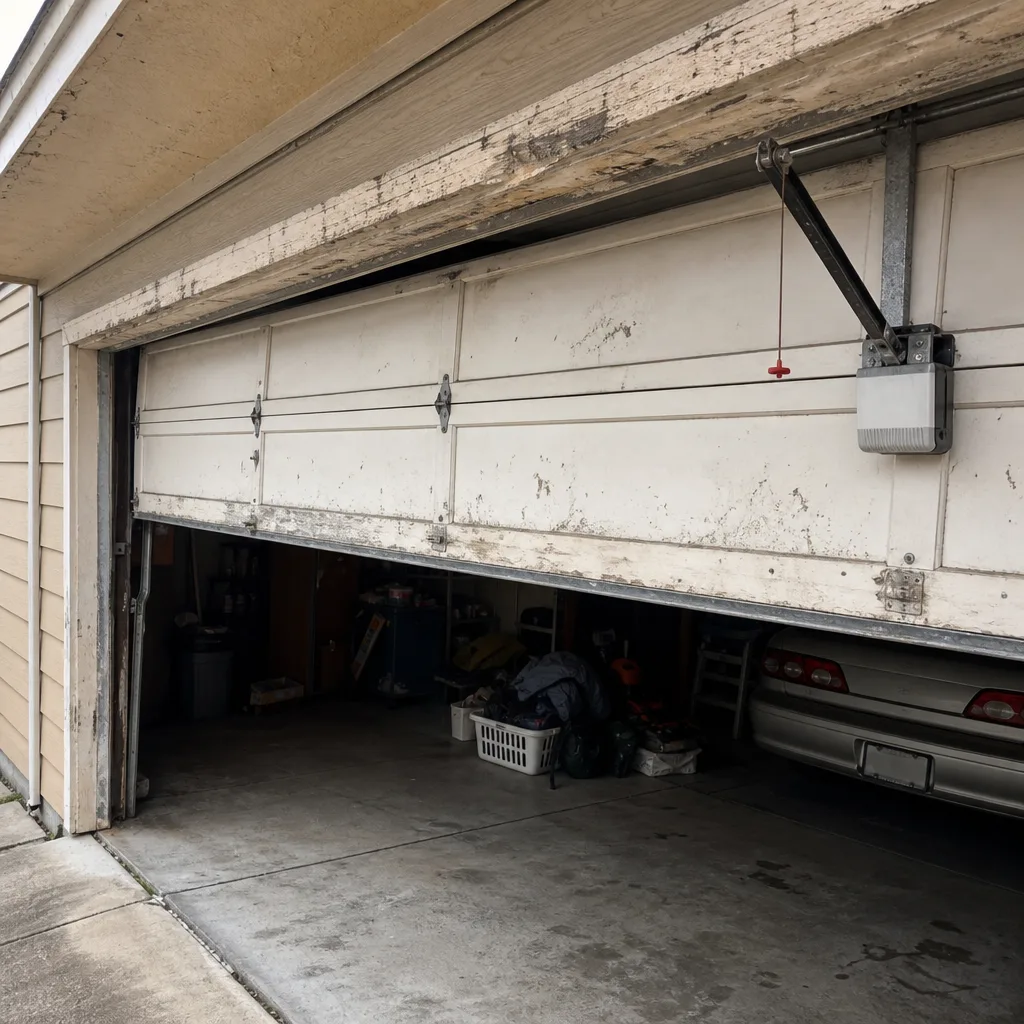 Before
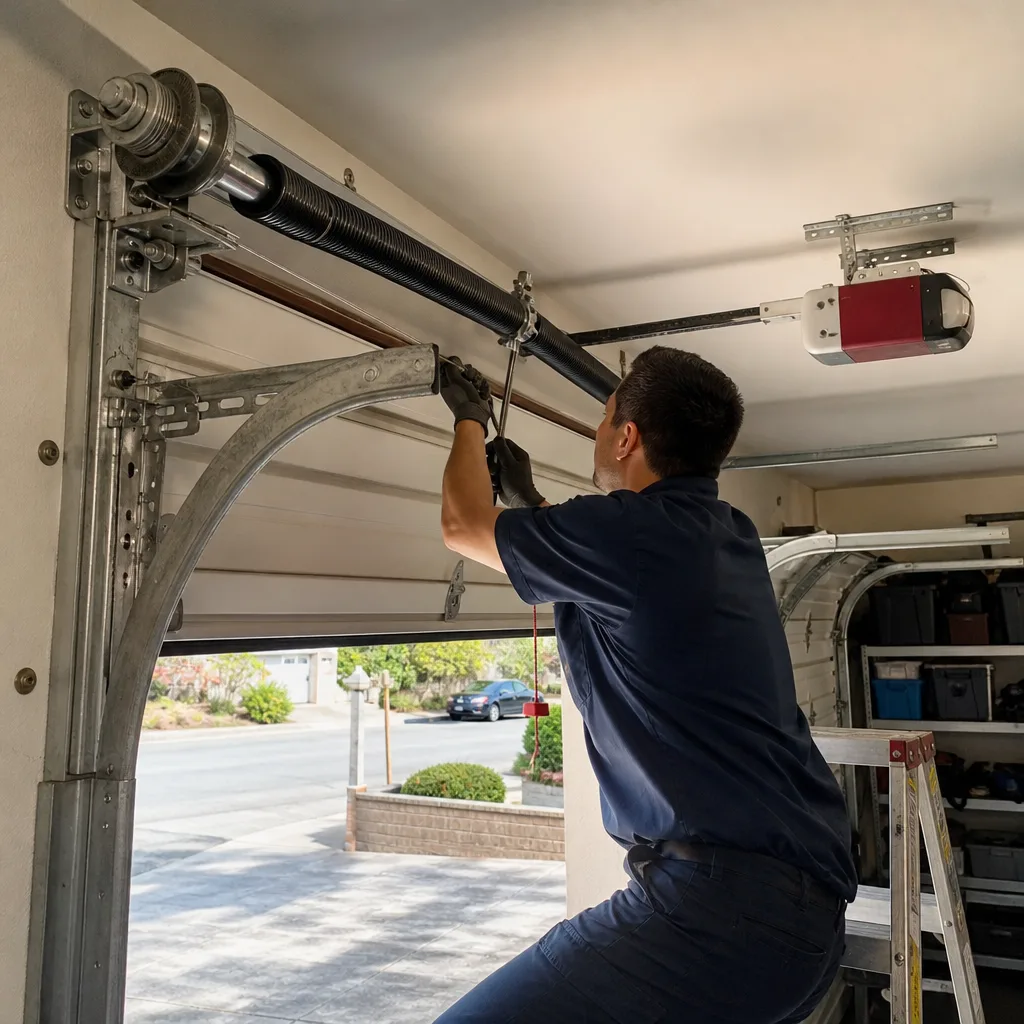 After
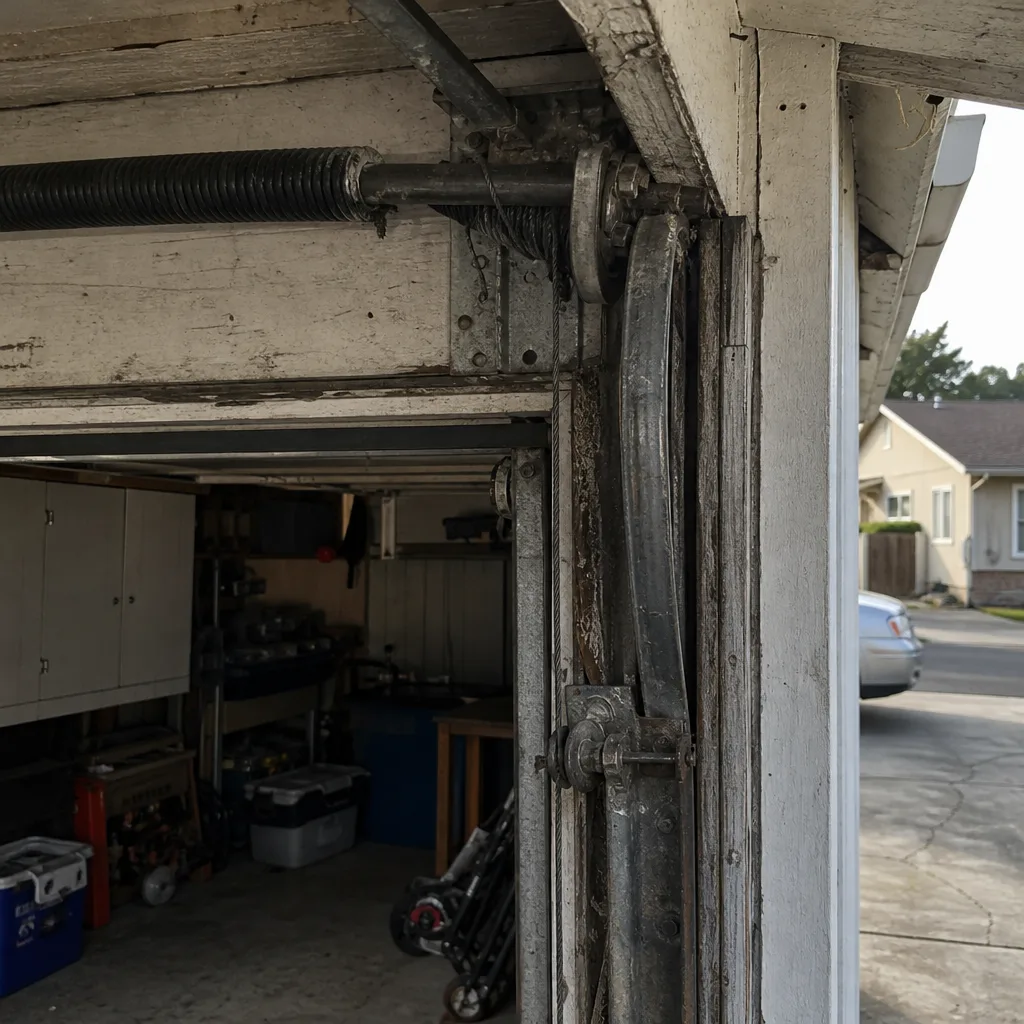 Before
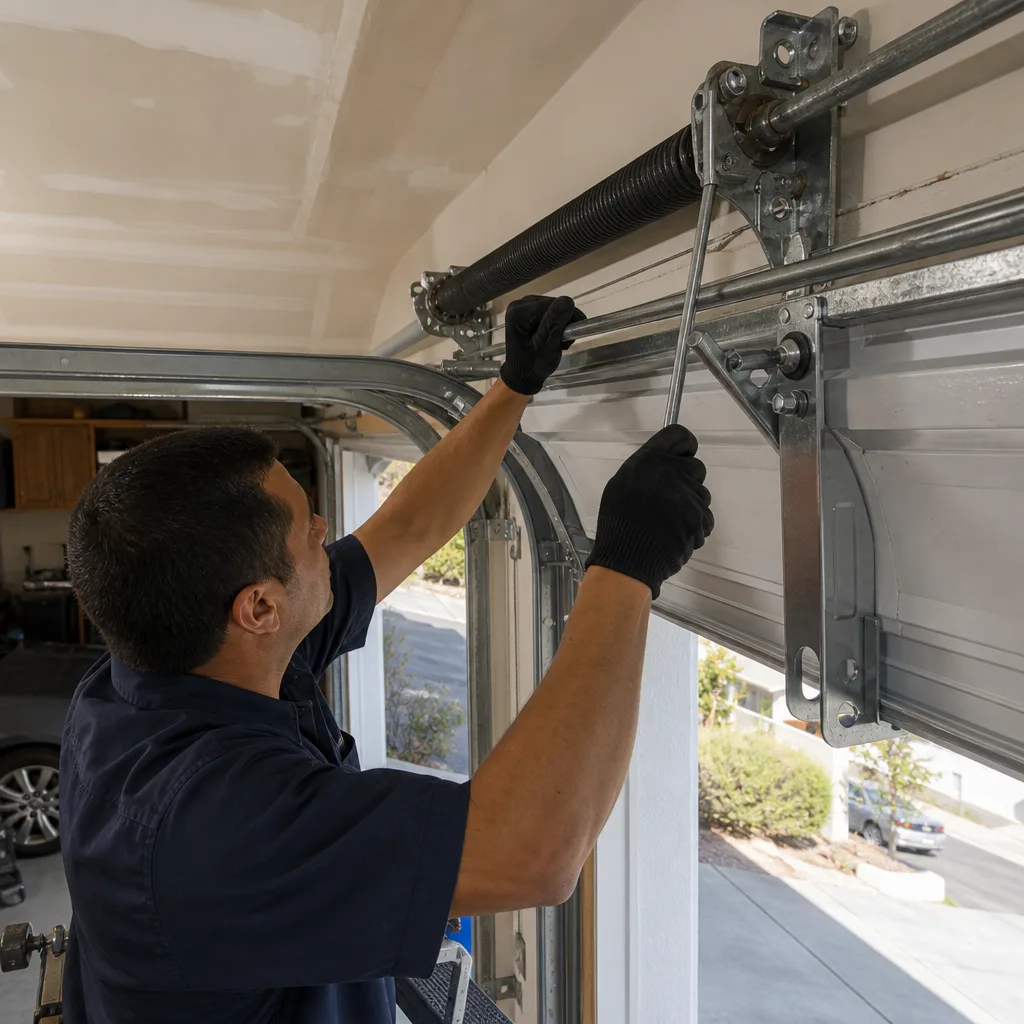 After
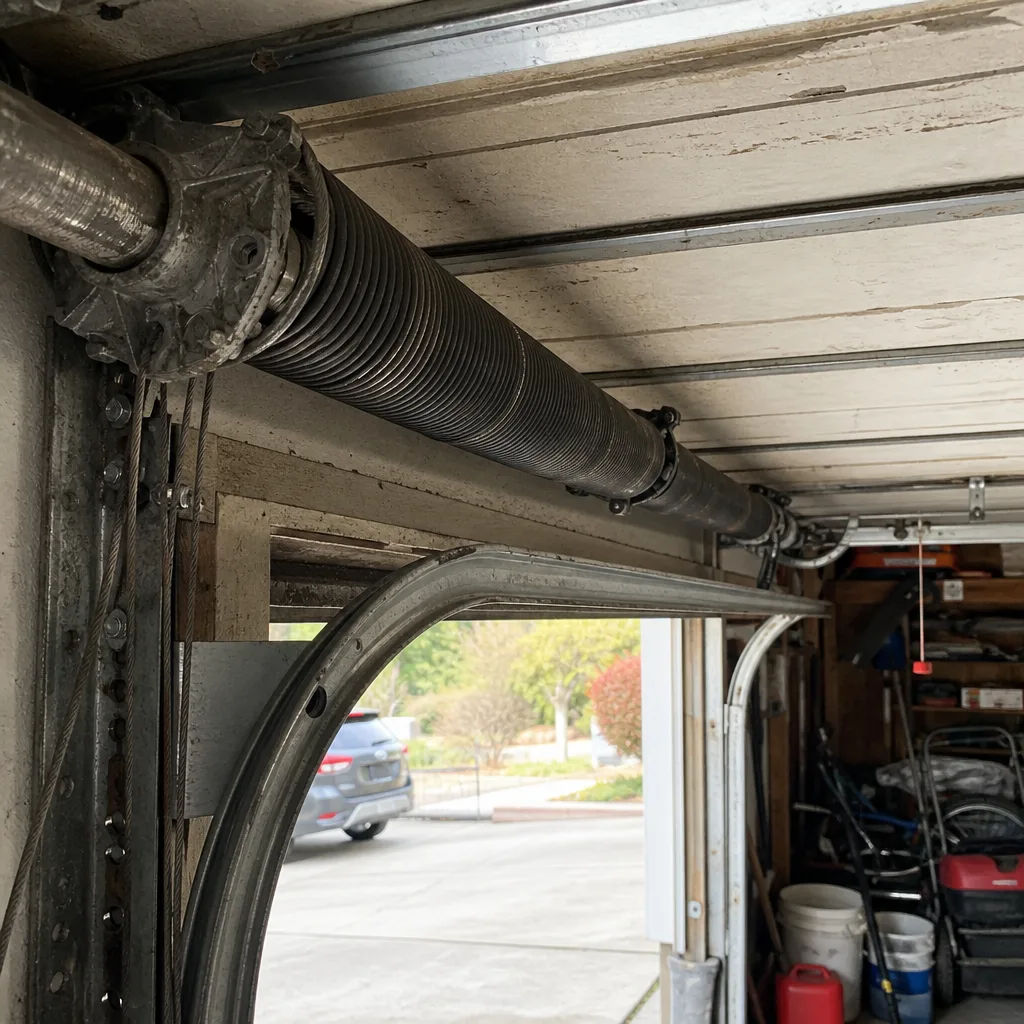 Before
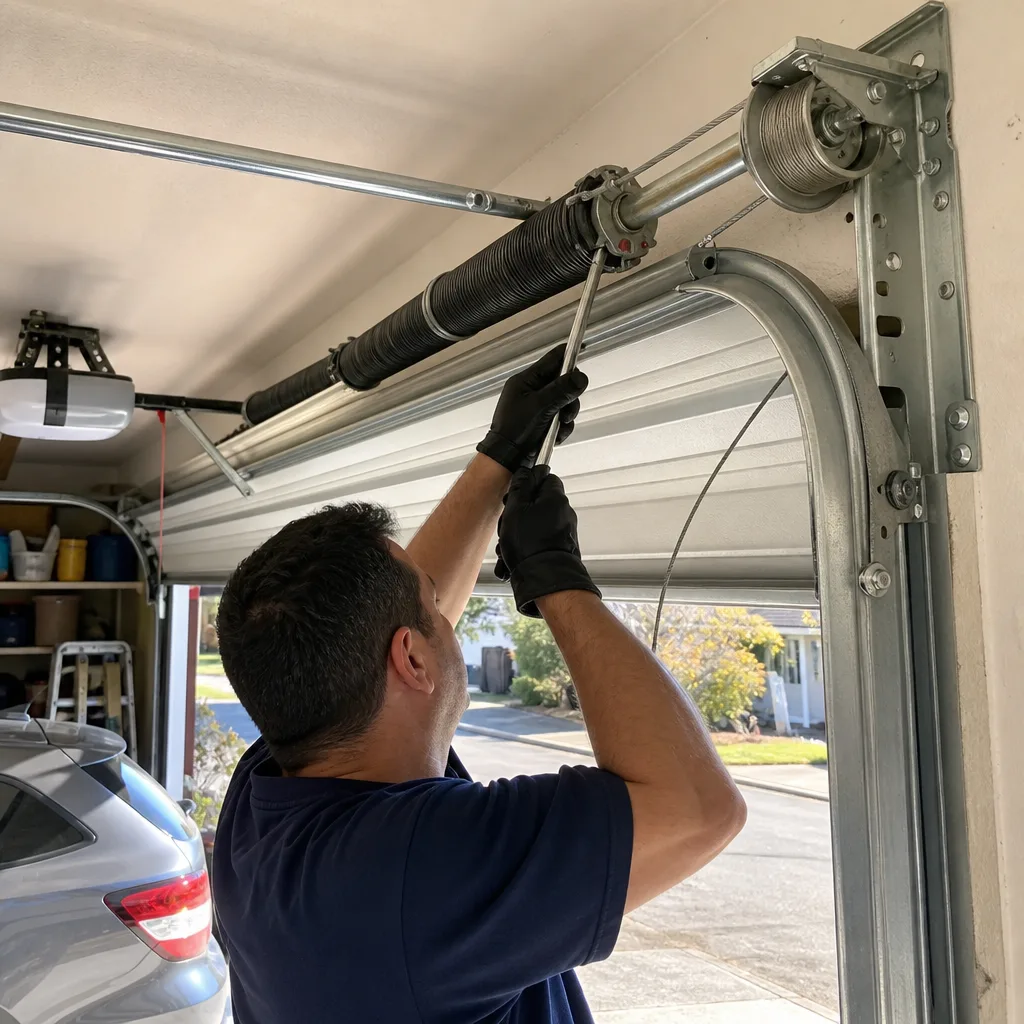 After