
Last updated November 2, 2026
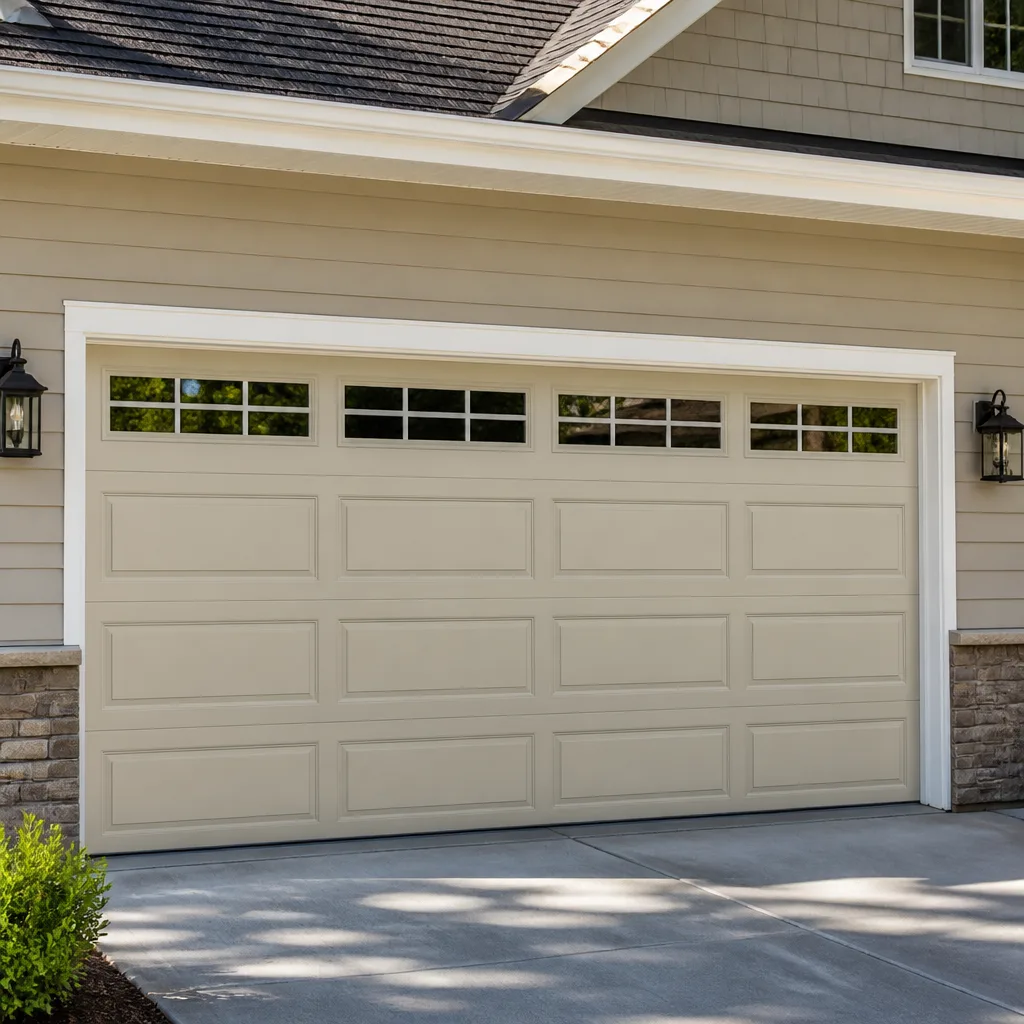 Raised-panel steel
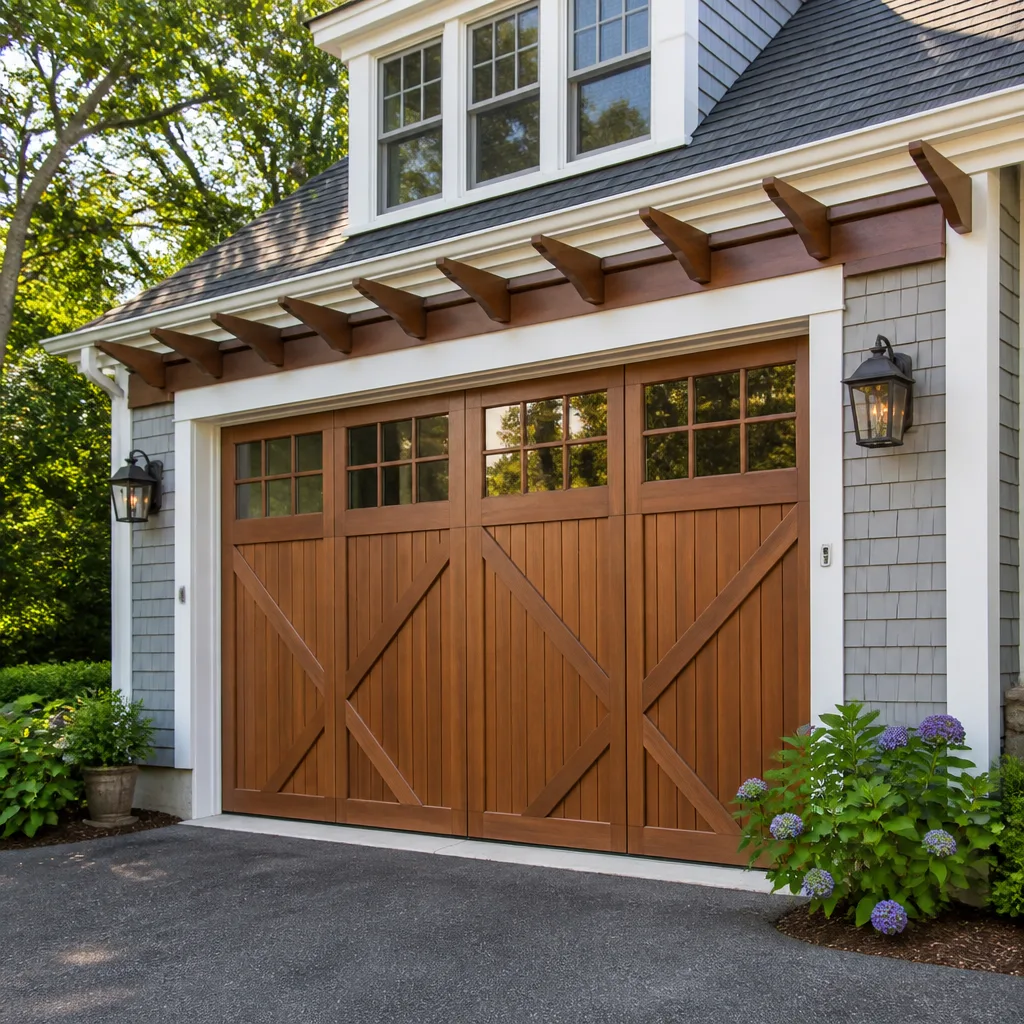 Carriage house
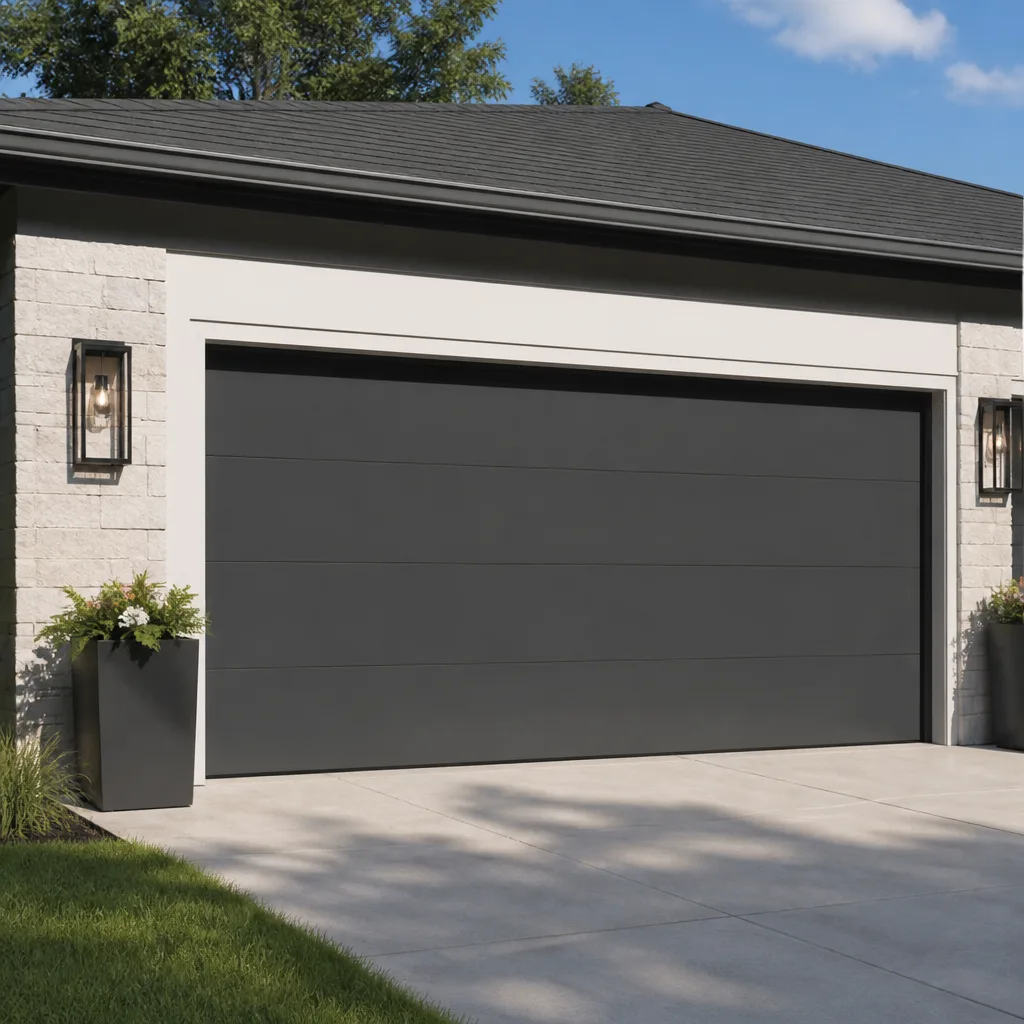 Modern flush
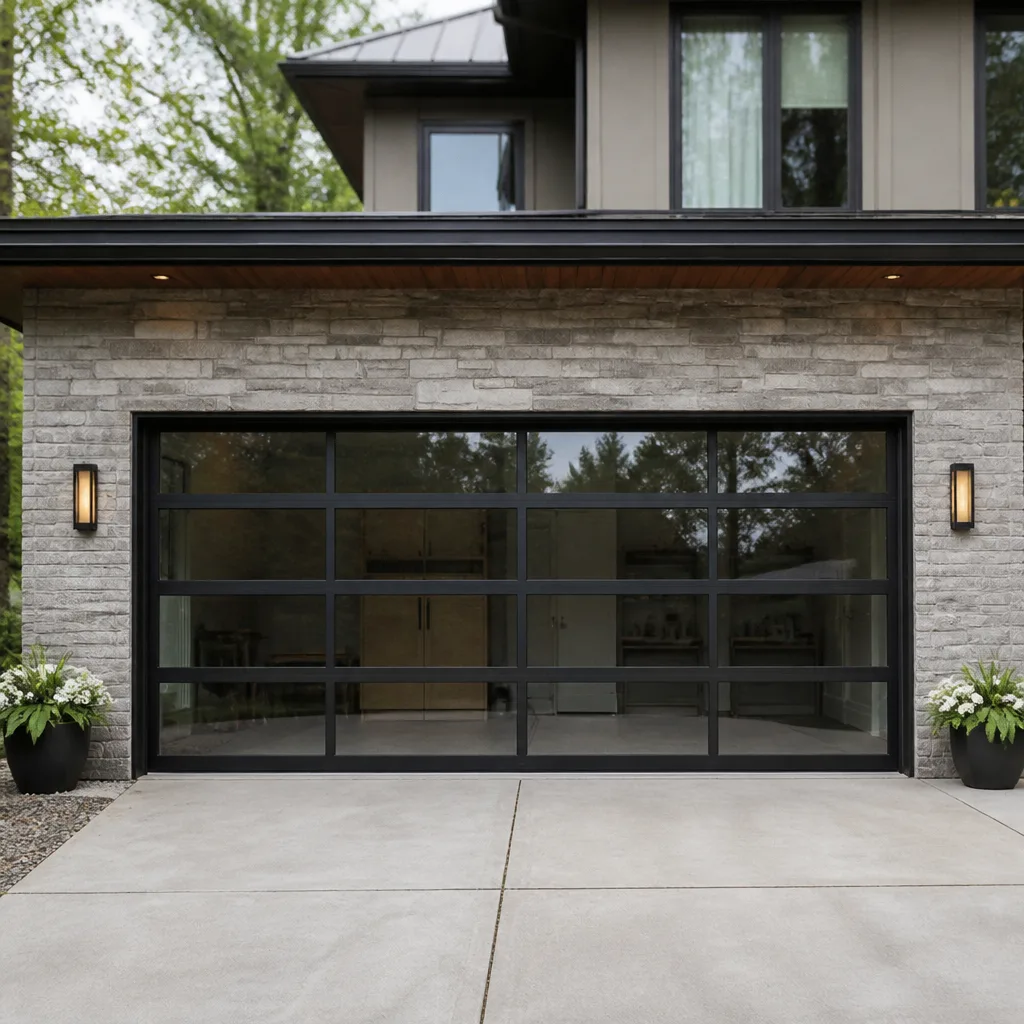 Full-view glass
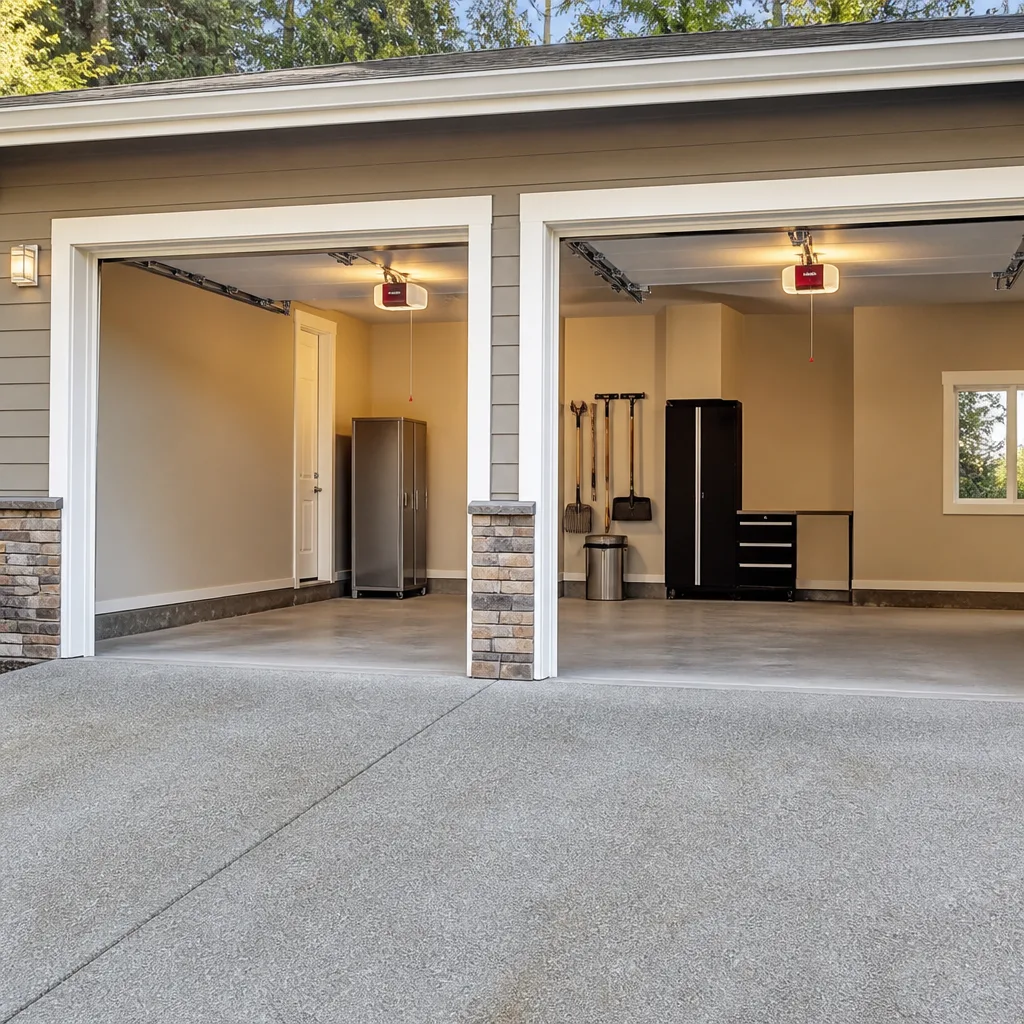 LiftMaster openers
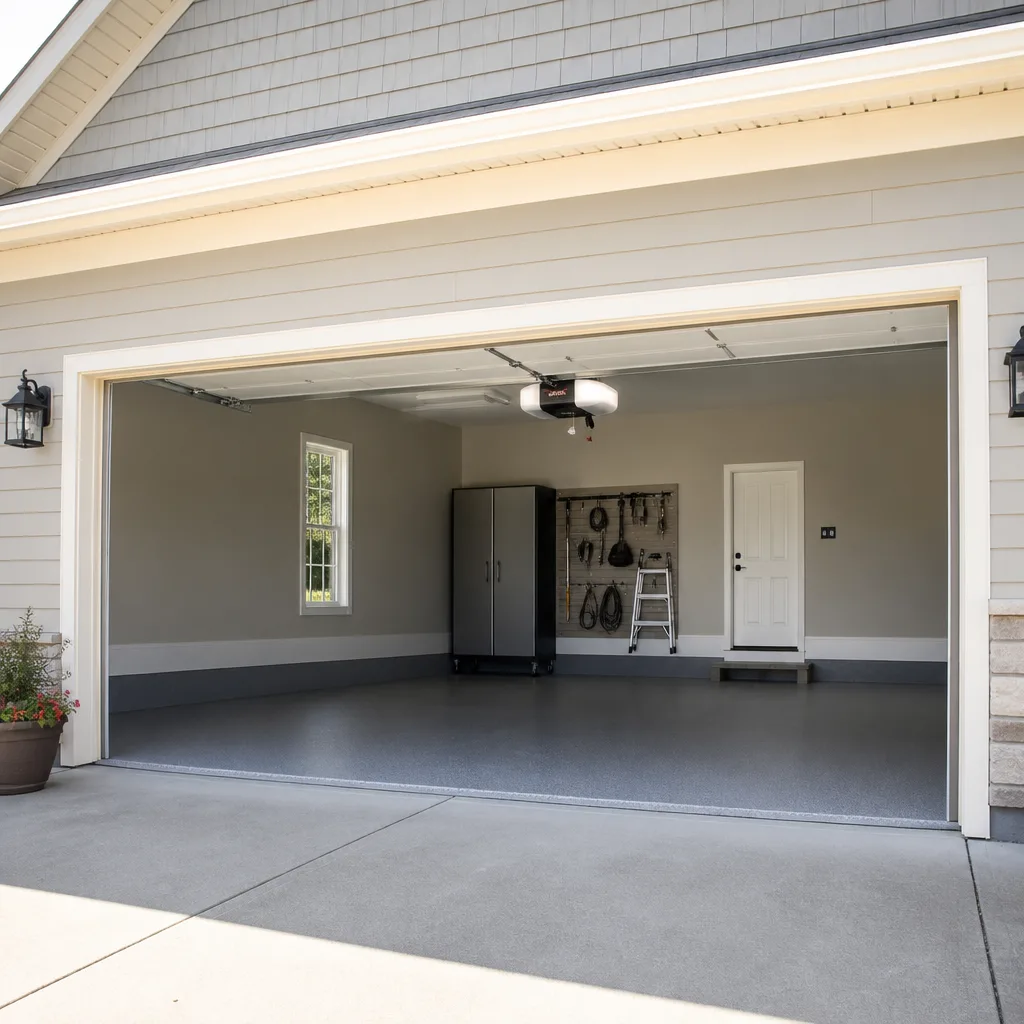 Chamberlain openers
Full 25-point door and opener safety check with every visit - springs, cables, rollers, tracks, and your LiftMaster or Chamberlain opener included
You get a price before we start. It does not change when the truck arrives.
Get your free estimateSeasonal Garage Door Care for Castro Valley: Year-Round Homeowner’s Guide
Here’s something most Castro Valley homeowners don’t realize until it’s too late: a garage door that sits in our summer sun can push the air inside an unventilated garage past 110°F. That heat doesn’t just make the space uncomfortable. It bakes the grease out of rollers, softens weatherstripping into a sticky mess, and forces the torsion spring to work against thermal expansion every single afternoon. By the time the rainy season arrives, the door that felt “fine” in October is squealing, binding, or refusing to close flush by January. This guide walks through what actually breaks on garage doors in our specific climate, when it happens, and the simple monthly checks that prevent most of it. For a broader look at maintenance and repairs, see The Complete Garage Door Repair Guide for Castro Valley Homeowners. You’ll learn the Castro Valley maintenance calendar we recommend, the tasks that matter most in each stretch of weather, and which jobs genuinely require a specialist instead of a can of spray lubricant.
Styles & brands we work with
- Raised-panel steel
- Carriage house
- Modern flush
- Full-view glass
- LiftMaster openers
- Chamberlain openers
Quick Answer
Seasonal garage door care in Castro Valley means checking lubrication, spring tension, weatherstripping, and track alignment once every three months, with heavier attention in late spring (heat prep) and early fall (rain prep). The two tasks with the highest payoff are lubricating moving parts twice a year with a silicone-based product and replacing the bottom weatherstrip before the first heavy rain. Most homeowners can handle about 80% of these checks in under 20 minutes; the other 20% involves torsion springs and cable work that should always go to a trained technician.
Table of Contents
- Why Castro Valley’s Climate Confuses Garage Doors
- The Month-by-Month Maintenance Calendar
- Summer Heat, Torsion Springs, and Lubrication
- Fall Prep Before the Rain Arrives
- Winter Moisture and Electronics
- Spring Inspection: What the Wet Season Left Behind
- Common Mistakes to Avoid
- When to Call a Professional
- Frequently Asked Questions
- The Bottom Line
Why Castro Valley’s Climate Confuses Garage Doors
Castro Valley sits in a strange weather pocket. We’re far enough from the bay to avoid the worst of San Francisco’s summer fog, but close enough to catch marine air that rolls in most evenings. The result is a pattern that looks mild on paper and acts rough on mechanical equipment: warm dry afternoons, cool damp nights, and a winter rainy season that dumps moisture into every unsealed gap around your garage door.
That daily temperature swing is the part most maintenance guides miss. A garage door’s metal components expand during a 75-degree afternoon and contract during a 48-degree night. Do that three hundred times a year and fasteners slowly loosen, track brackets drift, and weatherstripping pulls away from its adhesive. The damage doesn’t look dramatic. It looks like a door that’s a little louder than it used to be, a little slower to close, a little less sealed against the bottom edge. Then one morning the opener strains, the safety sensor throws a fault, and the door stops halfway.
What we’ve seen repeatedly in homes across Castro Valley is a slow-burn wear pattern: summer heat degrades lubrication and stresses springs, fall’s first rains expose gaps that let moisture reach the bottom panel, winter temperature fluctuations fatigue opener circuit boards, and spring reveals the corrosion and misalignment that accumulated quietly. Understanding that cycle is the key to staying ahead of it.
The Month-by-Month Maintenance Calendar
Here’s the calendar we recommend for Castro Valley homeowners. It’s built around our actual weather patterns, not a generic national template. Each month lists one primary task plus a quick visual check that takes under five minutes.
- January: Wipe down the bottom weatherstrip and check for water stains on the garage floor near the door. Visual check: opener force settings not behaving erratically during cold snaps.
- February: Inspect track brackets for rust forming at the base where moisture pools. Visual check: door closes flush against the floor with no light gaps.
- March: Tighten all visible track bolts and hinge screws. The wet season has loosened hardware through repeated expansion and contraction. Visual check: listen for rattles during operation.
- April: Apply silicone-based lubricant to rollers, hinges, and the torsion spring. Do this before real heat arrives. Visual check: smooth operation with no metal-on-metal squeak.
- May: Check the weatherstripping along the sides and bottom for cracks from UV exposure. Replace if brittle. Visual check: door balance test (see summer section below).
- June: Inspect the torsion spring for rust or gaps in the coil. Call a technician if you see either. Visual check: garage interior temperature on a hot afternoon.
- July: Lubricate the opener’s drive chain or screw if you have a screw-drive model. Check remotes and keypad batteries. Visual check: opener runs quiet and steady.
- August: Re-check torsion spring performance. Heat changes calibration. If the door feels heavy when operated manually, schedule a tension adjustment. Visual check: door opens fully and stays open.
- September: Clear debris from the track channels and photo-eye lenses. Visual check: clean and replace the bottom weatherstrip if it’s hardened.
- October: Apply a light silicone spray to the rollers and hinges again. The goal is a protective layer before winter moisture. Visual check: no visible gaps at the bottom corners.
- November: Check interior door surface for rust spots forming on the bottom panel. Touch up with rust-inhibiting primer. Visual check: door seals when wet.
- December: Test the auto-reverse safety feature and confirm the photo-eye sensors are aligned after fall winds. Visual check: opener responds to wall button and remotes consistently.
If that feels like a lot, remember: most months require under five minutes. And if you’d rather hand the whole schedule to someone who does this daily, our garage door repair in Castro Valley includes seasonal tune-ups that cover every item on this calendar.
Summer Heat, Torsion Springs, and Lubrication
Castro Valley’s summer is the hardest season on your garage door, and it’s not because of anything dramatic. It’s the sustained heat. A torsion spring is a precisely calibrated coil of steel designed to counterbalance the door’s weight. When the ambient temperature inside your garage climbs past 100 degrees on repeated afternoons, the steel expands. That expansion doesn’t make the spring fail on its own, but it does shift the effective tension, and it accelerates the breakdown of any lubricant you’ve applied.
Here’s what we see in August that we don’t see in February: doors that feel noticeably heavier when operated by hand. The spring hasn’t broken. It’s simply underperforming because the calibration that worked in March doesn’t match August’s temperature profile. A door that feels heavy in manual operation is telling you the spring needs a tension adjustment. That’s not a homeowner job. Torsion springs are under extreme tension and can cause serious injury if mishandled. We’ll say that plainly because it matters: adjusting a torsion spring without the proper winding bars and training invites a trip to the emergency room.
What homeowners can do safely in summer:
- Lubricate twice, not once: Apply a silicone-based lubricant in late April and again in mid-July. Avoid WD-40 for garage door components; it’s a solvent that strips lubricant rather than replacing it.
- Check the bottom weatherstrip for melting or deformation: When a garage interior stays hot, rubber seals can soften and lose their shape. A misshapen seal leaves a gap that lets pests and warm air in.
- Test the door balance manually: Pull the emergency release cord and open the door by hand to the halfway point. If it stays in place, the spring calibration is healthy. If it drops or rises on its own, call a technician before the imbalance damages your opener.
- Listen for squeaks during the hottest part of the day: Heat thins lubricant, which means metal-on-metal contact gets louder in the afternoon. That’s a signal to reapply before fall.
If you have a LiftMaster or Chamberlain opener, you may also notice the motor running slightly warmer in summer. That’s normal to a point, but if the opener shuts itself off mid-cycle, that’s a thermal overload protection trip and worth having checked. We service those brands along with Genie, Clopay doors, and several others, so a summer tune-up can catch heat fatigue before it strands your car in the driveway. If you’re considering a new door, read Choosing the Right Garage Door Brand: A Buyer’s Guide for Castro Valley.
Fall Prep Before the Rain Arrives
In Castro Valley, fall maintenance matters more than any other season. Our wet weather typically arrives in November, which means September and October are the months to seal, inspect, and prepare. The purpose is simple: keep water out of places it shouldn’t be.
The single most important fall task is replacing the bottom weatherstrip if it shows any sign of hardening, cracking, or shrinkage. Castro Valley sees enough rain that even a small gap at the bottom corners of a garage door will let water pool on the concrete slab. Over a winter, that pooled water seeps into the bottom panel, causes rust on the steel that frames the door, and eventually rots wood if there’s any exposed absorption point. A new bottom seal costs very little relative to replacing a lower panel.
Here’s the fall checklist we recommend:
- Replace the bottom weatherstrip if it’s rigid or cracked when flexed by hand.
- Inspect the threshold: many Castro Valley homes have a raised concrete lip at the garage entrance. Cracks in that threshold allow water to run under the door. Fill small cracks with a concrete sealant rated for exterior use.
- Rust-proof exposed hardware: hinge plates, track brackets, and bolt heads all pick up moisture once the rains start. A light wipe with a rust inhibitor or a spray of silicone-based protectant in late October provides a barrier for the wet months.
- Clear the photo-eye lenses: falling leaves and dust accumulate in fall. Dirty lenses cause the door to reverse mid-cycle, which confuses homeowners into thinking the opener is broken.
- Check side weatherstripping: the vertical strips along the door’s edges harden in fall’s first chill. If they’ve pulled away from the jamb, reattach or replace them before the first storm.
One more Castro Valley-specific note: oak leaves. If you have oak trees near the garage, they drop a tremendous amount of debris into the track channels in October. That debris works its way into the rollers and causes binding. A five-minute track cleaning in late fall prevents most of the “my door is sticking” calls we get in December.
If you’re not sure whether your weatherstripping needs replacing or just cleaning, Compass Garage Door Repair home can help you sort out what’s serviceable from what’s shot during a quick visual inspection.
Winter Moisture and Electronics
Castro Valley winters don’t freeze, but they do something sneakier to garage door openers: they cycle them through damp, cool nights and dry, mild afternoons. That constant shift means condensation forms on metal surfaces inside the opener housing, and condensation is hard on circuit boards. It’s not that one cold night kills an opener. It’s that three months of temperature swings stress solder joints and corrode connector pins until a unit that worked perfectly in September starts throwing phantom errors in February.
Winter is the season when we hear two complaints more than any others. The first: “The door reverses for no reason.” The second: “The opener only works when I hold the button down.” Both are consistent with photo-eye misalignment caused by moisture-weakened brackets, or control board corrosion from accumulated condensation. Neither problem requires a new opener in most cases. Both are fixed with diagnosis and parts replacement rather than a full unit swap.
Your winter checklist:
- Verify the photo-eye sensors sit level and haven’t shifted on their brackets. Even a quarter-inch drift causes false reverses.
- Inspect the opener’s exterior for rust on the housing seams. Rust at the seams suggests moisture intrusion that’s finding its way to the board.
- Test the auto-reverse function by placing a rolled-up towel in the door’s path and closing the door on it. The door should reverse within two seconds of contact. If it doesn’t, that’s a safety issue, not a convenience one.
- Carry remotes in the house during heavy rain weeks. This sounds trivial, but many homeowners leave remotes in the car, and Castro Valley’s damp winter air causes condensation inside car interiors. That moisture kills remote batteries faster than anything.
For opener-specific problems like failing logic boards or stripped drive gears, the fix is often straightforward if the technician knows the brand. We work on LiftMaster, Chamberlain, Genie, Craftsman, and others, which means we can typically repair the opener you already own rather than selling you a new one. If you’re experiencing winter opener problems, our garage door opener repair in Castro Valley page details what’s repairable and what’s better replaced.
Spring Inspection: What the Wet Season Left Behind
By March, Castro Valley’s rainy season has done whatever damage it’s going to do, and the ground has started drying. That’s the moment to inspect what winter exposed. Spring garage door maintenance in our area is mostly diagnostic: find the corrosion, the misalignment, and the water intrusion before the dry season turns those problems permanent.
Here’s what we look for in a spring inspection:
- Rust at the bottom corners of the door’s lowest panel: this is the most common water damage point. If you see bubbling paint or flaking steel, treat it now before summer heat bakes the rust deeper.
- Swollen wood grain on doors with wood cores: Castro Valley has enough older homes that wood-panel garage doors are common. Winter moisture makes the wood swell; spring warmth makes it contract. That cycle causes hairline cracks that let more water in next winter.
- Track brackets that have shifted: Alameda County sees enough soil movement from winter saturation that track alignment drifts. A door that binds at one point during travel is often telling you a bracket moved an eighth of an inch.
- Hardened or cracked weatherstripping from winter’s damp-then-dry pattern: the seal may have looked fine in November and be visibly degraded by April.
- Opener force settings that need recalibration: if the door pauses or stutters at specific points, the opener’s force sensitivity may be fighting against winter’s seasonal changes.
Spring is also the right time to do the first full lubrication of the year before heat sets in. Two tasks, both taking under five minutes: apply silicone lubricant to the rollers, hinges, and spring, then run the door through two full open-and-close cycles to distribute the lubricant. If you hear any grinding or metal dragging, stop and get it looked at before the noise becomes a broken part.
Common Mistakes to Avoid
- Using WD-40 on rollers and springs. It’s a solvent, not a lubricant. It strips away existing grease and leaves parts drier than before. Use a silicone-based garage door lubricant instead.
- Skipping fall weatherstrip replacement because it “looks okay.” Castro Valley’s rainy season punishes marginal seals. If the strip is stiff when bent, it’s already failing. Small gap at the corner becomes a wet garage floor by January.
- Attempting torsion spring repair as a DIY project. Torsion springs store enough energy to break bone. This is the single most dangerous home maintenance repair, full stop. A trained technician with proper winding bars is the only safe option.
- Ignoring a door that feels heavy in summer. A door that’s mechanically heavier in August means the spring calibration has drifted. Ignoring it forces the opener to work harder, which shortens the opener’s lifespan significantly.
- Leaving remotes in the car year-round. Castro Valley’s damp winter air and hot summer interior both shorten remote battery life and increase the chance of button failure. Bring them inside.
- Not testing the auto-reverse safety feature every season. The auto-reverse mechanism is what stops your door from crushing a child or pet. Monthly testing is required by the Consumer Product Safety Commission. Seasonal is the minimum.
When to Call a Professional
Most of the seasonal maintenance in this guide is doable with a step stool, a rag, and a can of silicone spray. But certain jobs cross a line. Torsion spring adjustment or replacement is always a professional job. Any work involving the cables that run along the door’s sides is also professional territory; those cables are under spring tension even when the door is closed. If your door operates inconsistently (reverses sometimes but not always, opens partially then stops), the problem is likely electrical or calibration-related, and diagnosis without the right equipment usually ends in replacing parts that didn’t need replacing. If you see visible rust on the torsion spring or gaps in the coil, that’s a spring near failure, and it should be addressed the same day, not scheduled for later. Compass Garage Door Repair offers free estimates in Castro Valley. Call (855) 356-4948 and we’ll diagnose the issue before quoting any work, which means you know what’s actually wrong before you spend a dollar.
Frequently Asked Questions
Twice a year is the minimum for our climate: once in late April before summer heat and once in October before winter moisture. If your garage faces west and bakes in afternoon sun, add a third application in late July. Use a silicone-based lubricant on rollers, hinges, and the torsion spring only. Lubrication is the single most effective maintenance task most homeowners skip.
A seasonal tune-up that includes lubrication, hardware tightening, track alignment checking, and a full safety inspection typically runs between $85 and $150 in Castro Valley when no parts are needed. If a weatherstrip replacement is included, add $40 to $90 depending on door width. The price is always quoted and agreed before work starts, so there are no surprises on the invoice. Call (855) 356-4948 for an exact estimate for your door.
Neither brand requires fundamentally different seasonal care, but each has specific failure points worth watching in our climate. LiftMaster openers with chain-drive systems benefit from chain lubrication in both spring and fall. Chamberlain openers with belt drives need no chain maintenance, but their circuit boards are no more or less vulnerable to winter condensation than any other brand. Both benefit equally from keeping the photo-eye sensors clean and aligned through the fall leaf drop.
We don’t recommend it. Leaving a garage door open a few inches introduces two problems. First, it invites rodents and pests that are seeking shade in summer. Second, it places the door in a position where the safety sensors are bypassed, and the door can close on something or someone that wanders into the gap. If garage heat is a problem, consider a vented door panel installation or a door with insulation rating suited to the sun exposure. A garage door installation in Castro Valley can address heat retention properly rather than propping the door open.
The marine air that rolls in from the bay most evenings brings salt and moisture into contact with your torsion spring. Over years, that accelerates surface rust. A spring with light surface rust is not necessarily compromised, but rust combined with gaps in the coil indicates the spring is nearing the end of its cycle life. Garage door springs typically last between 7 and 10 years in Castro Valley’s specific climate.
No. The price you agree to before the technician starts is the price you pay when the job is done. If additional work is identified during the visit, we’ll quote it separately and get your approval before proceeding. You will never see a higher number than what was agreed to upfront.
The Bottom Line
Your Castro Valley garage door will last significantly longer if you follow a maintenance rhythm that matches our actual weather: lubricate before summer heat, seal before winter rain, inspect after the wet season dries out. The ingredients are simple. A can of silicone lubricant, a visual inspection every month, and an honest assessment of when a job exceeds DIY territory. Most seasonal work takes under twenty minutes. The spring and any cable-related work should go to a trained technician without exception. If you’d rather not spend your Saturdays under the garage door, Compass Garage Door Repair handles seasonal tune-ups, repairs, opener service, and full installations in Castro Valley, including work on LiftMaster, Chamberlain, Genie, and Clopay systems. For more guides & resources, visit our blog. Call (855) 356-4948 for a free estimate.
Written by the team at Compass Garage Door Repair, serving Castro Valley since 2018.
See the difference
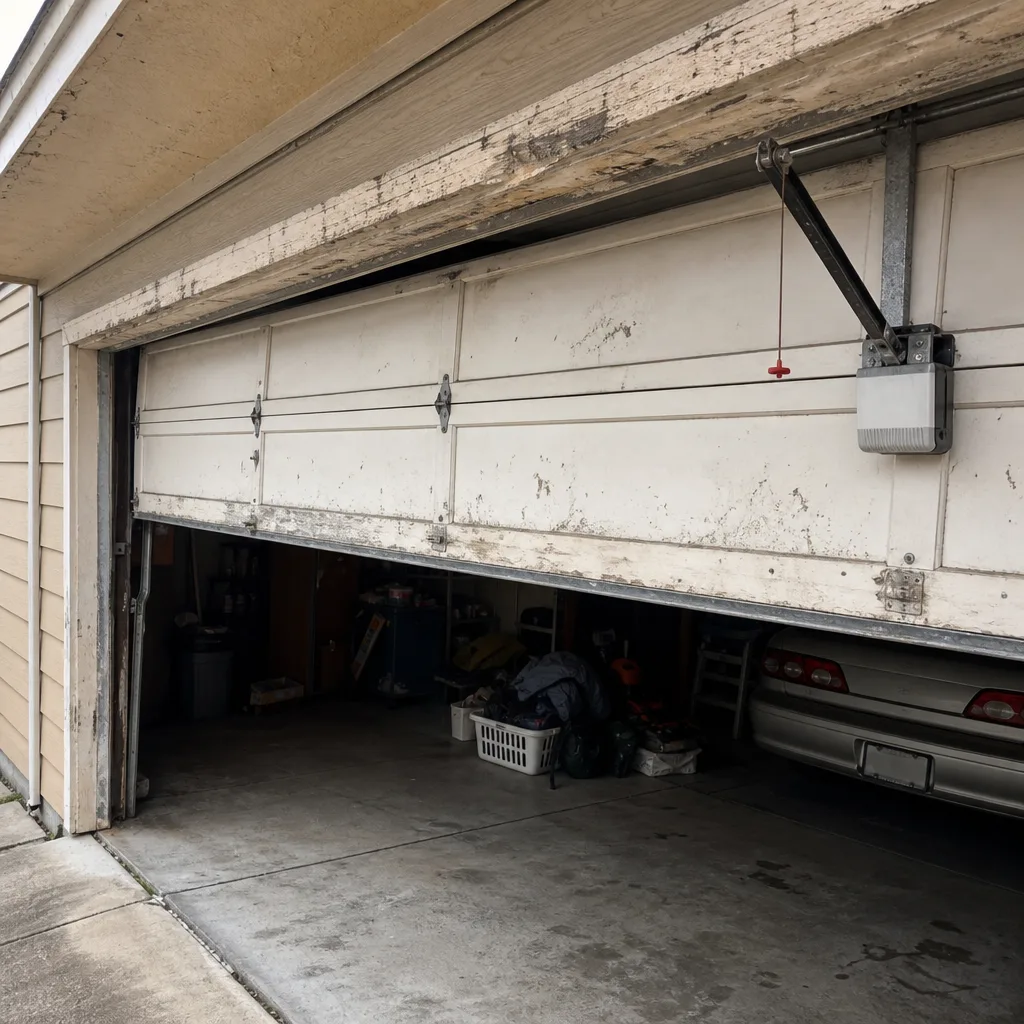 Before
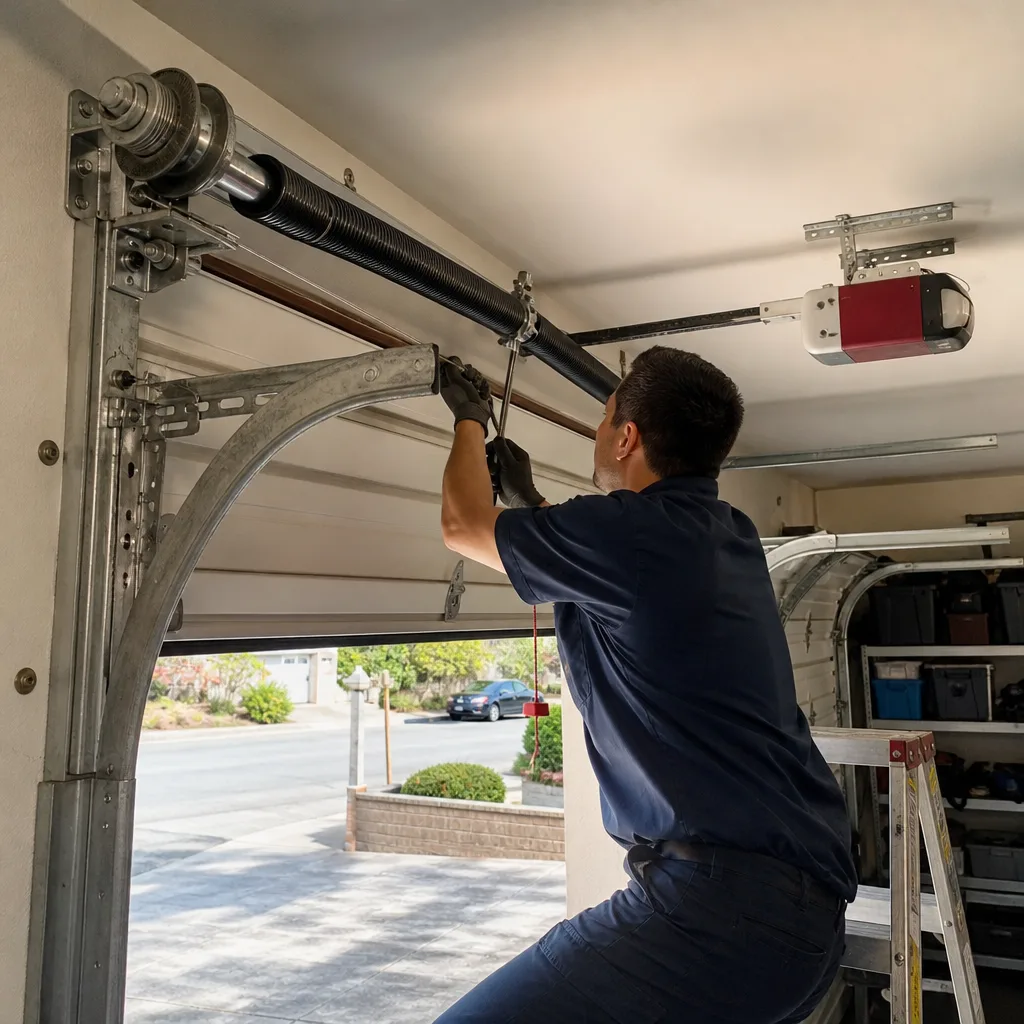 After
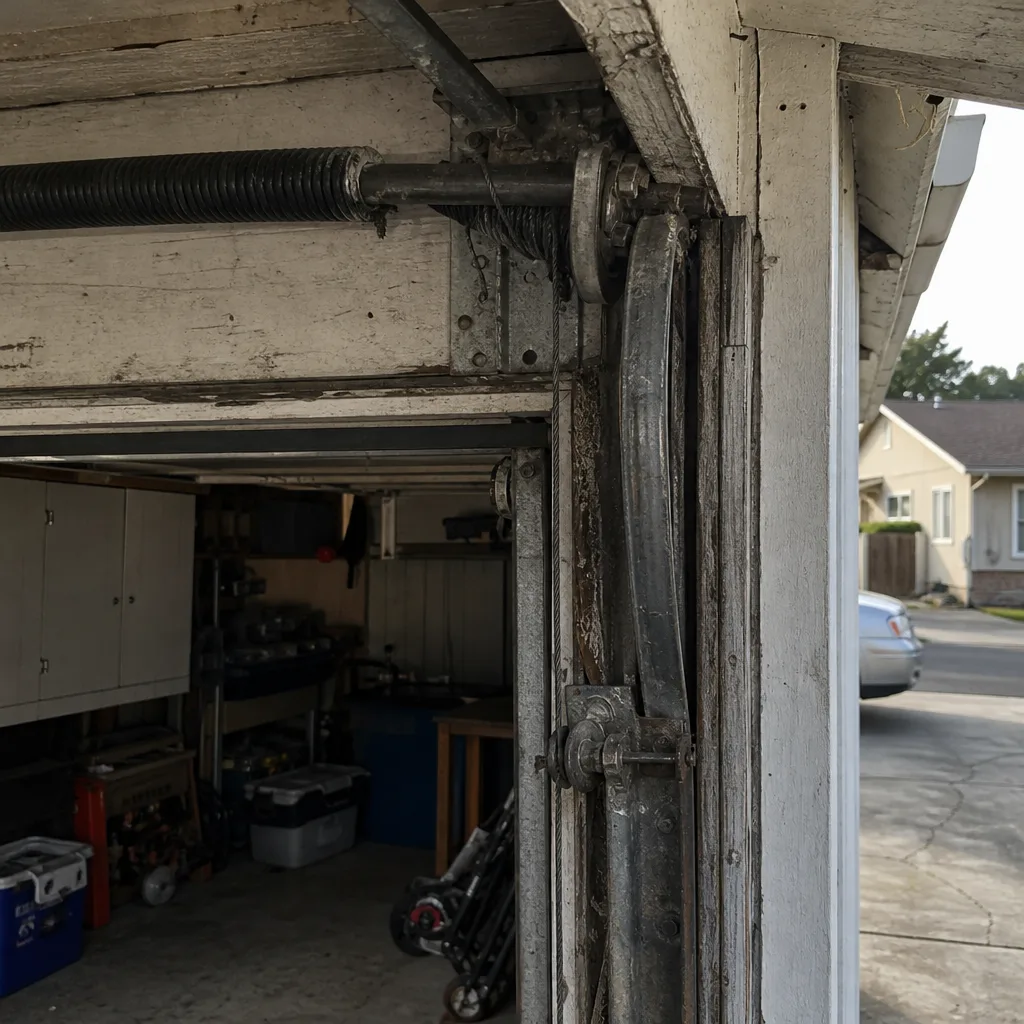 Before
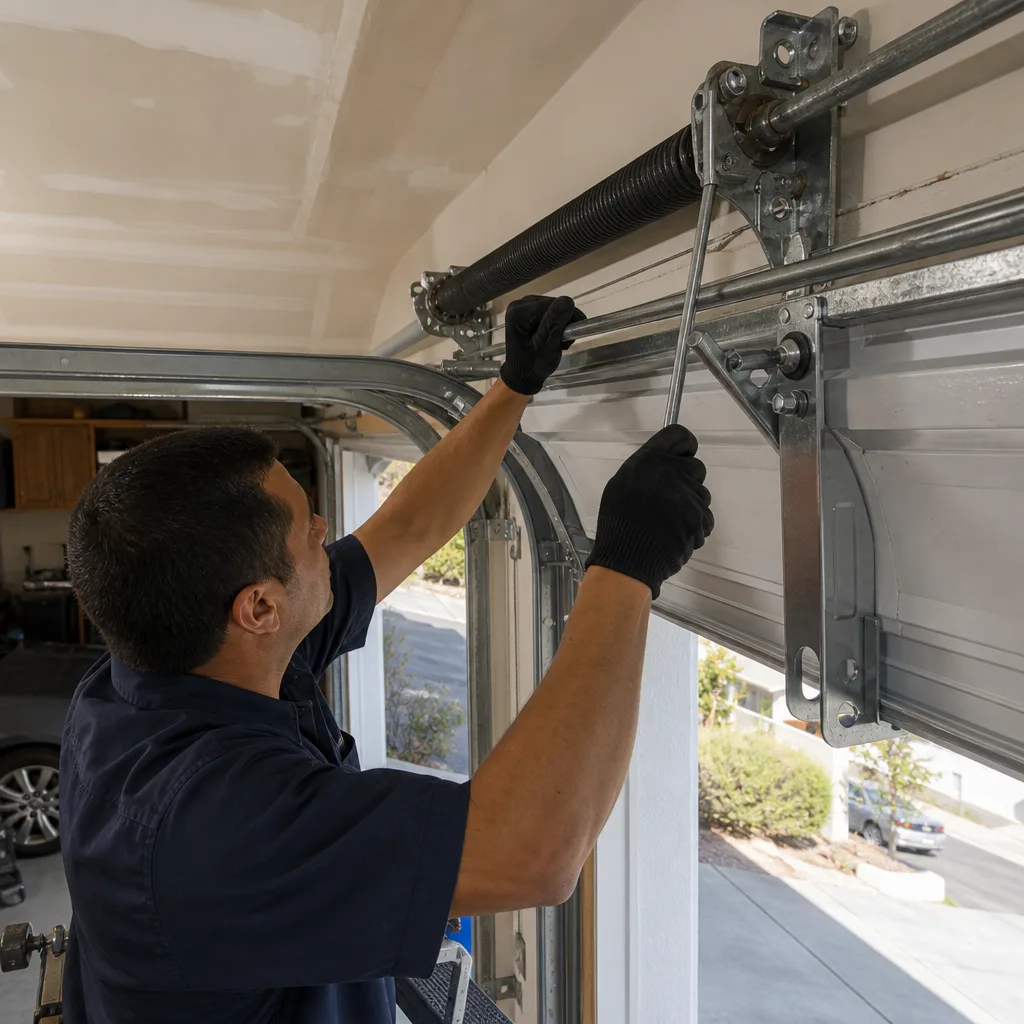 After
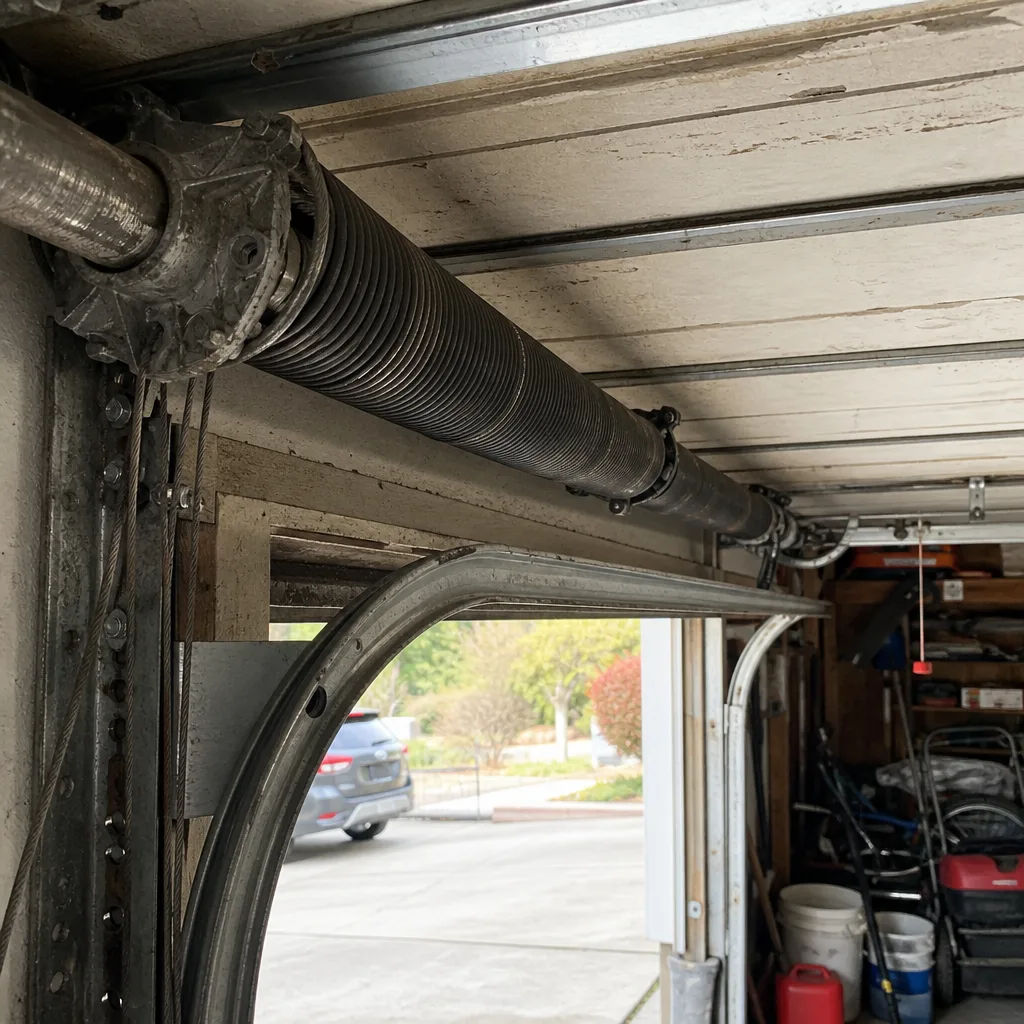 Before
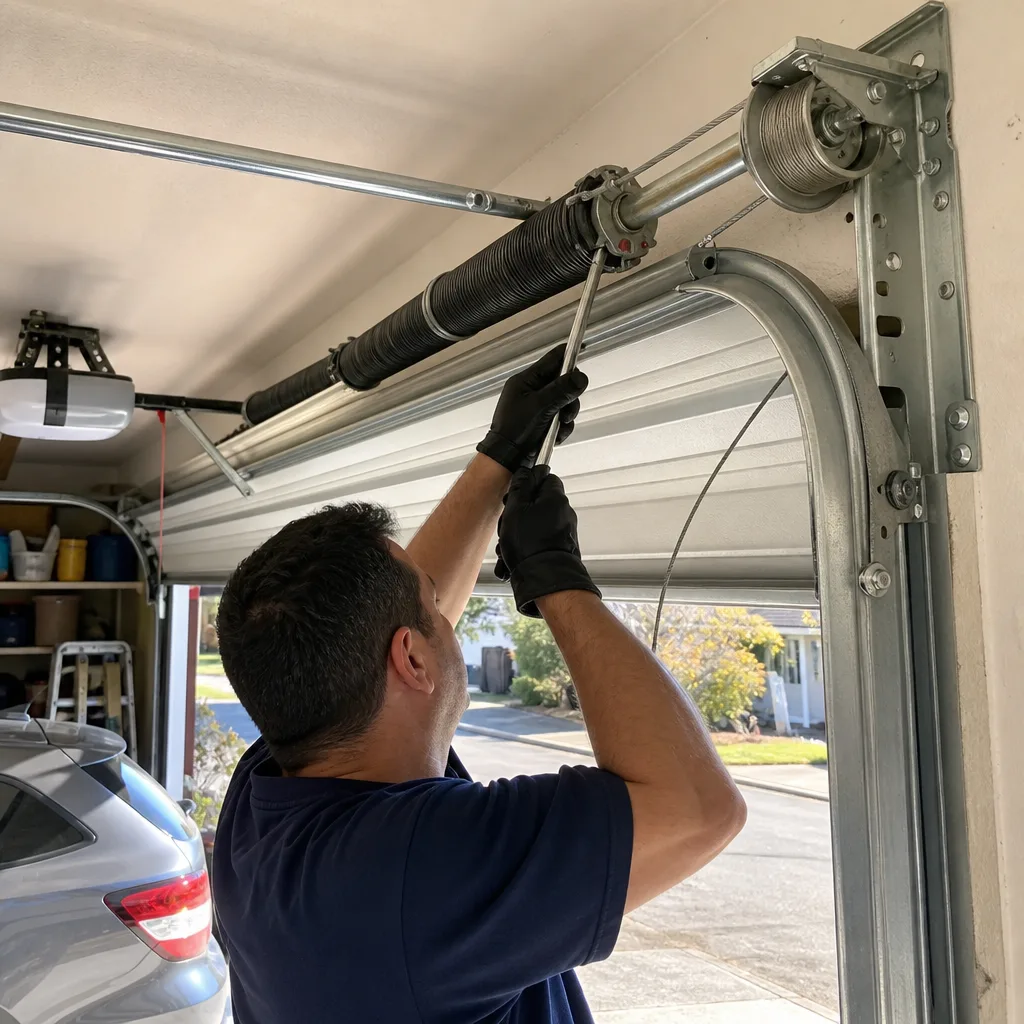 After